
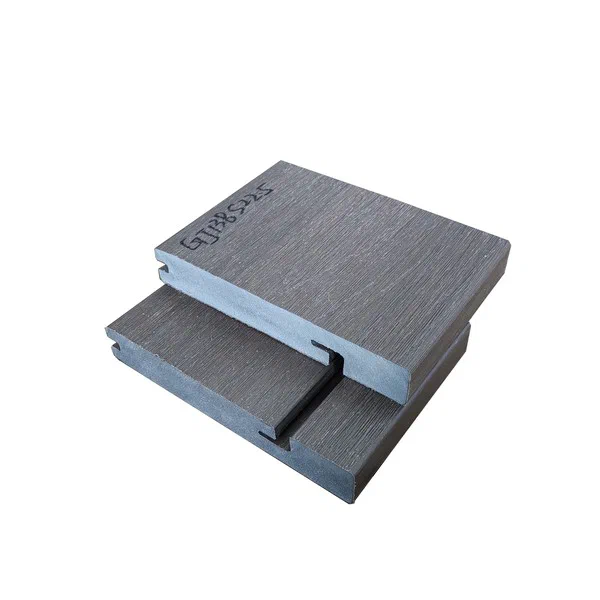
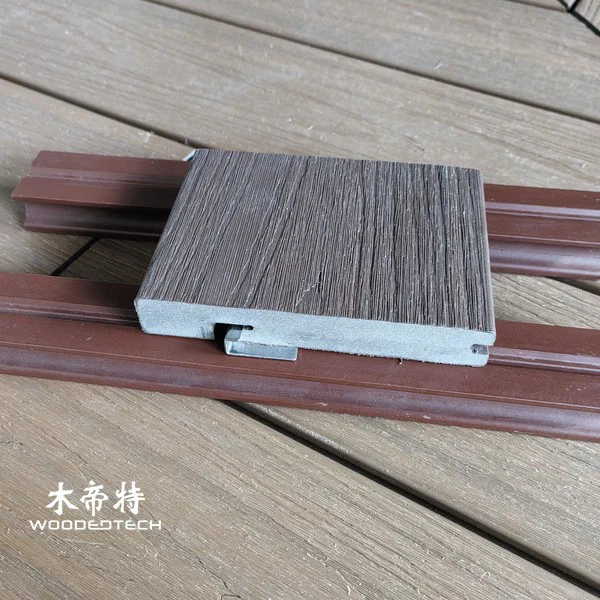
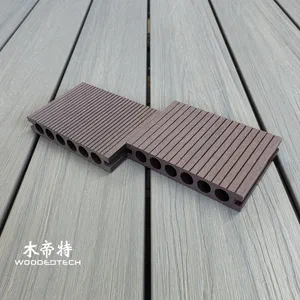
GD13822.5S Fully Capped Solid Starter Wood Polymer Composite Decking Provides a Stable Starting Structure for the First Decking Board
Discover how the GD13822.5S fully capped solid WPC starter profile supports stable first-board alignment, durable surface performance, and efficient deck installation.
| Payment | T/T in advance. Customized order: T/T, 50% prepayment, 50% balance before loading. |
|---|---|
| Transaction Terms | FOB, CIF, EXW, etc. |
| Samples | <30cm: samples for free. >30cm: samples order (the sample fee can be deducted when placing a container order later). |
| Length | For 20GP container, max length is 5.8 meters (longest); mostly 2.2 / 2.4 / 2.9 / 3.0 / 4.0 meters (recommended) or customized. |
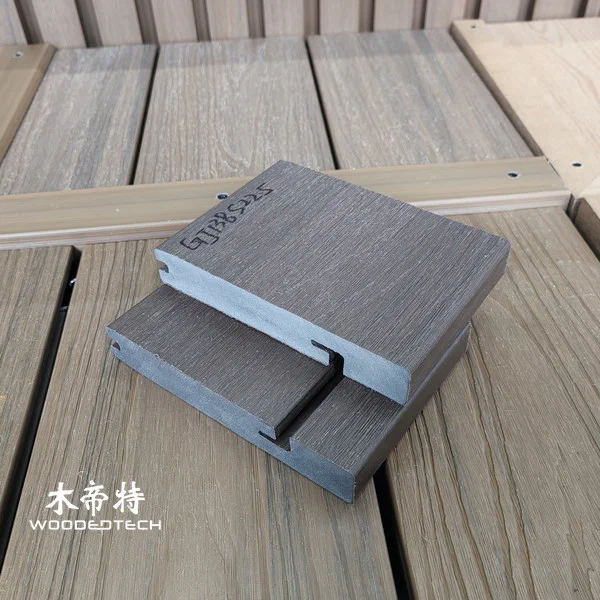
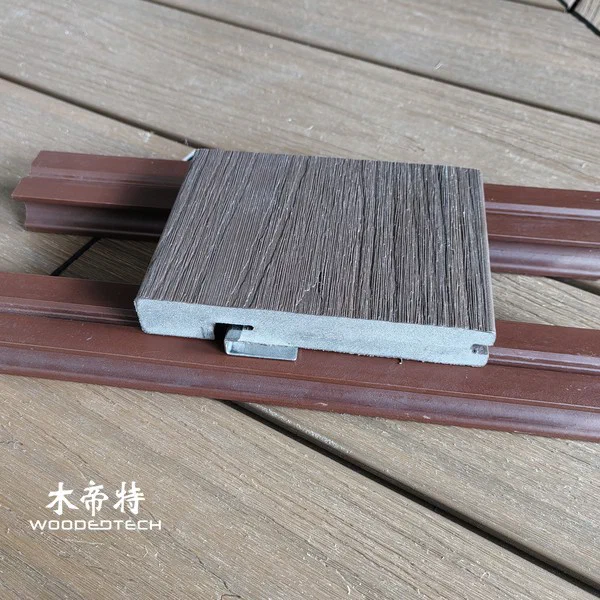
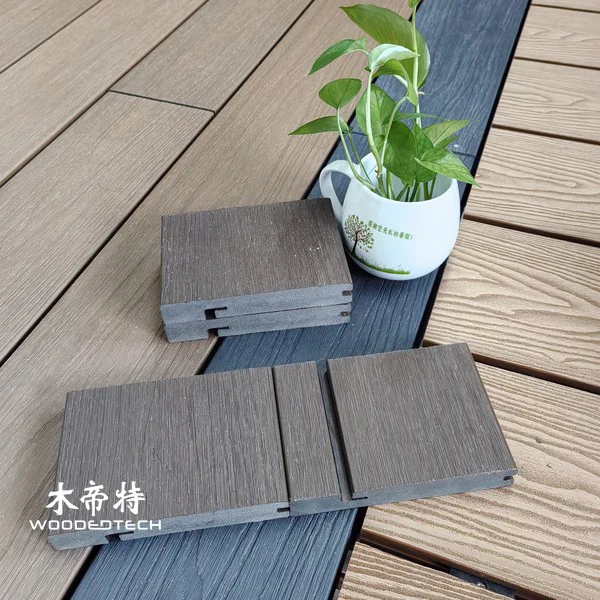
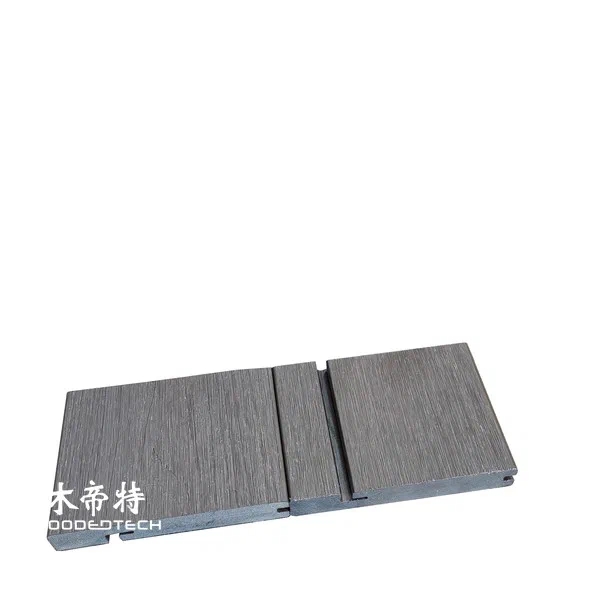
GD13822.5S Fully Capped Solid Starter Wood Polymer Composite Decking is designed to provide a stable starting structure for the first decking board. Its solid profile, fully capped surface, and carefully engineered dimensions help establish consistent alignment, support secure installation, and create a clean transition between the deck perimeter and the main decking area.
How Solid Profile Design Supports the First Decking Board
The GD13822.5S profile uses a solid structure rather than a hollow internal cavity. For a starter component, this design can provide a substantial fixing area and help resist localized deformation when fasteners are installed correctly. The actual load capacity depends on the profile dimensions, WPC formulation, fastening method, and supporting substructure.
Compared with hollow WPC profiles, solid structures generally use more material and weigh more per unit length. However, they can offer greater flexibility in fixing-point placement, depending on the installation system. Hollow profiles remain useful for reducing material consumption and handling weight, while solid profiles are often appropriate where secure edge positioning and reliable initial alignment are priorities.
Fully Capped Construction and Surface Performance
The fully capped construction adds a protective outer layer around the composite core. This layer can improve resistance to moisture exposure, staining, and everyday surface wear compared with an otherwise equivalent uncapped profile, although performance varies by material formulation and manufacturing quality.
For a starter decking component, the capped surface also supports visual consistency at the deck edge. Surface texture should be selected according to the surrounding boards, drainage requirements, and expected foot traffic. Wood-grain embossing can create a natural appearance, while a smoother finish may suit a more contemporary design. Texture depth and pattern should not interfere with fitting tolerances or the contact areas required for installation.
Rib Design, Dimensions, and Extrusion Accuracy
Although the GD13822.5S is a solid profile, rib geometry remains important in related WPC decking designs. Hollow boards often use internal ribs to connect the outer walls, distribute loads, and limit wall deformation. Thicker walls and closely spaced ribs can increase stiffness, but they also consume more material and may increase production costs. Excessive material in noncritical areas can add weight without delivering proportional performance benefits.
For a solid starter profile, extrusion die design instead focuses on maintaining consistent cross-sectional dimensions, balanced material flow, and uniform cooling. Uneven flow or cooling can cause dimensional variation, warping, or fitting difficulties. Accurate tooling helps ensure that the starter component aligns with the main decking boards and works with the intended clips, screws, or other fastening hardware.
Installation Efficiency and Total Project Cost
A reliable starting structure simplifies the installation of subsequent boards by establishing a consistent reference line. Installers should confirm the required expansion gaps, fixing positions, edge clearances, and subframe spacing before securing the first board. WPC expands and contracts with temperature changes, so the starter profile must be installed according to the manufacturer’s specifications rather than treated as a substitute for proper expansion allowances.
The solid construction may cost more in raw material than a comparable hollow profile, but material price alone does not determine project value. Buyers should also consider installation time, cutting waste, fastening compatibility, dimensional consistency, and expected service life. For manufacturers and distributors, reviewing the extrusion drawing, dimensional tolerances, cap-layer quality, and packaging requirements before ordering helps reduce fitting problems and unnecessary project costs.
FAQ
Q: Why choose a solid WPC starter profile instead of a hollow one?
A: A solid profile can provide a substantial fixing area and support accurate edge alignment. The best choice depends on the fastening system, required dimensions, and installation conditions.
Q: Does fully capped construction make WPC decking completely waterproof?
A: No. A protective cap can improve resistance to moisture, but joints, cut ends, fastener penetrations, and the underlying structure still require appropriate installation and drainage.
Q: What should buyers check before ordering GD13822.5S?
A: Confirm the profile drawing, dimensions, color, surface finish, fastening compatibility, and installation requirements to ensure the starter component matches the intended decking system.
Related Products
 GD14025S Capped WPC Provides a Solid Board Structure for Better Load Bearing Performance and Reduced Space for Insects Inside the Board
 D14035S 35mm Thick Solid Wood Grain WPC Flooring for Outdoor Deck Applications
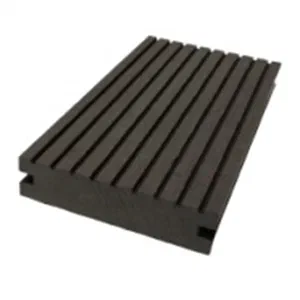 D10025S plastic wood look decking offers a narrow width solid design for versatile outdoor applications
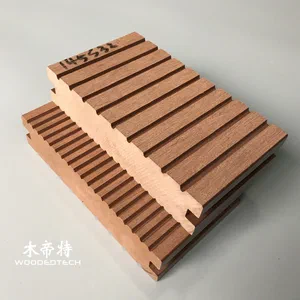 D14532S Solid Outdoor WPC Decking Delivers Premium Strength Durability and Long Service Life
Related Articles
Get a Free Quote
Interested in GD13822.5S Fully Capped Solid Starter Wood Polymer Composite Decking Provides a Stable Starting Structure for the First Decking Board? Fill in the form and we will reply within 24 hours.