
wpc wooden door Manufacturing Solutions for Industrial Applications 2026
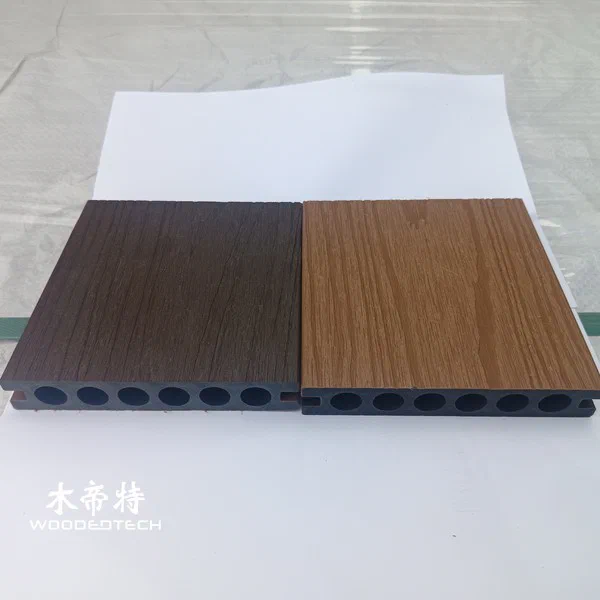
Wood-plastic composite (WPC) wooden doors offer manufacturers, contractors, and industrial buyers an alternative to conventional timber doors, combining wood-fiber aesthetics with the moisture resistance and dimensional consistency of polymer-based materials. As a Guangdong-based WPC manufacturer with more than 10 years of production experience, we focus on developing practical manufacturing solutions that meet project specifications, support repeatable quality, and deliver reliable supply for commercial and industrial applications in 2026.
Manufacturing Capabilities for Industrial WPC Doors
Industrial door projects often require consistent dimensions, dependable surface finishes, and compatibility with specific frames and hardware. Our manufacturing approach begins with understanding the intended application, including indoor humidity levels, cleaning requirements, expected usage frequency, and installation conditions. These details help determine the appropriate WPC formulation, door structure, profile dimensions, and surface treatment.
WPC production typically combines wood fibers or wood flour with thermoplastics and selected additives. Material preparation, controlled mixing, extrusion, cooling, sizing, and finishing all influence the final product. Our experience in outdoor WPC manufacturing provides a strong foundation in polymer processing, profile consistency, and surface quality control. For door projects, the production setup must also account for panel flatness, edge strength, hardware attachment, and compatibility with the chosen door system.
Production Know-How and Quality Control
A dependable WPC wooden door starts with stable raw materials and a controlled production process. Variations in wood-fiber content, polymer quality, moisture levels, and processing temperatures can affect strength, surface appearance, and dimensional stability. We pay close attention to material consistency and processing parameters to reduce avoidable variation between production batches.
Quality inspection should cover more than visual appearance. Depending on the product design and customer requirements, checks may include dimensional tolerances, surface defects, impact resistance, moisture exposure, screw-holding performance, and repeated opening and closing. Industrial buyers should also distinguish between solid and hollow door constructions because their weight, stiffness, acoustic performance, and hardware requirements can differ significantly.
WPC does not automatically mean fireproof, waterproof under every condition, or suitable for every industrial environment. Where fire ratings, chemical resistance, acoustic insulation, or hygiene standards are required, the complete door assembly must be evaluated against the relevant specifications and test methods.

OEM Customization and Customer Cooperation
For overseas distributors, construction companies, and project contractors, customization can be as important as production capacity. We work with customers to define door dimensions, profile designs, colors, wood-grain finishes, surface textures, packaging, and private-label requirements before confirming production details.
Our cooperation process typically follows four steps:
- Requirement review: Confirm drawings, application conditions, target specifications, and estimated order quantities.
- Sample development: Evaluate material selection, appearance, dimensions, and assembly compatibility.
- Production approval: Establish agreed inspection criteria, tolerances, packaging, and delivery schedules.
- Batch manufacturing: Monitor production consistency and coordinate inspection and shipment documentation.
Clear technical communication at the beginning helps reduce sampling revisions, installation problems, and misunderstandings during bulk orders. For long-term buyers, documented specifications and retained reference samples can also improve consistency across repeat orders.
Building a Reliable WPC Door Supply Partnership
Selecting a WPC door manufacturer requires more than comparing unit prices. Buyers should assess manufacturing experience, process control, customization capabilities, testing evidence, production lead times, and after-sales communication. A factory experienced in outdoor WPC products may bring valuable extrusion and material-processing expertise, but industrial door performance must still be verified for the intended application.
We believe a sustainable manufacturing partnership depends on transparent specifications, realistic production commitments, and measurable quality standards. By combining established WPC processing knowledge with application-specific product development, we aim to help international customers source dependable door solutions that balance functionality, appearance, and total project cost.
FAQ
Q: Are WPC wooden doors suitable for industrial applications?
A: They can be suitable for offices, commercial buildings, service rooms, and selected industrial interiors, provided the door construction meets the project’s mechanical, environmental, and regulatory requirements.
Q: Can a WPC manufacturer provide OEM wooden door solutions?
A: Yes. OEM projects can include custom dimensions, colors, textures, profile designs, branding, and packaging, subject to tooling, production capabilities, and minimum order requirements.
Q: What should buyers check before placing a bulk WPC door order?
A: Confirm material composition, door construction, dimensional tolerances, hardware compatibility, applicable test reports, sample approval, packaging, and delivery terms before mass production.
Related Articles
 wpc wall panel supplier provides customized wood plastic composite solutions for global construction projects
 Composite decking 2.5m offers convenient length options for global outdoor flooring projects
 DIY wpc wall panel allows easy installation for stylish interior and exterior wall decoration projects
 Deck WPC 30x30 provides modular outdoor flooring solutions with convenient installation features
Related Products
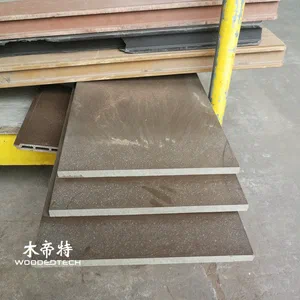 B30014 Plastic Wood 4x8 Sheets Provide Wide Thin Boards for Large Outdoor Display and Surface Applications
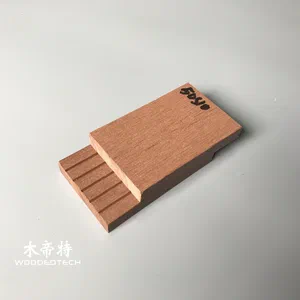 B5010 Tiny Plastic Composite Panels Offer Flexible Thin Boards for Curved Edges and Outdoor Decorative Designs
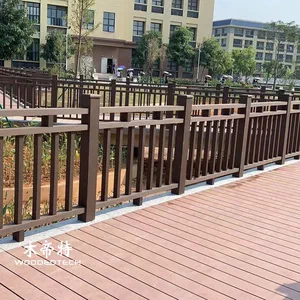 10' composite deck railing allows customized styles and dimensions for various landscape and building projects