
WPC RAL 7016: Industrial Applications, Specifications, and Performance Benefits
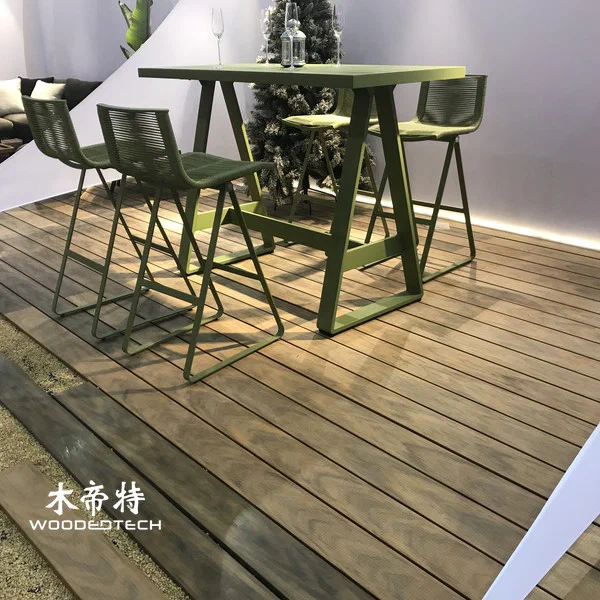
WPC in RAL 7016, commonly known as anthracite grey, combines a contemporary architectural finish with the practical benefits of wood plastic composite materials. It is a popular color choice for outdoor decking, wall cladding, fencing, and façade details in residential, commercial, and public projects where a clean, modern appearance and dependable outdoor performance are required.
Industrial Applications of WPC RAL 7016
Anthracite grey WPC is well suited to industrial buildings, office campuses, retail developments, hospitality projects, and public infrastructure. Its neutral, dark grey tone complements concrete, glass, steel, and aluminium, making it suitable for contemporary architectural designs. Depending on the product profile and formulation, WPC can be used for exterior wall cladding, screening panels, decking, fencing, and selected outdoor furniture components.
For industrial facilities, WPC cladding and decorative screens can help create a consistent exterior appearance around entrances, loading-area offices, staff recreation zones, and perimeter landscaping. In commercial landscapes, composite decking can define pedestrian routes, seating areas, and outdoor break spaces. For residential gardens and balconies, RAL 7016 provides a coordinated finish for decking, privacy screens, and railing systems, provided the selected products are approved for the intended application.
Hotels, resorts, and parks can also benefit from this finish. Poolside decking should be selected according to wet-slip performance, drainage requirements, barefoot comfort, and resistance to pool chemicals. In public facilities, such as walkways and landscaped plazas, specify profiles and substructures designed for the expected pedestrian traffic and environmental exposure. WPC should not be treated as a universal structural material; load-bearing applications require appropriately rated systems and verified installation details.
Specifications and Material Selection

RAL 7016 identifies a standardized color reference rather than a complete material specification. Actual WPC colors may vary with pigments, surface textures, manufacturing processes, and production batches. Request a physical sample and confirm the manufacturer’s color tolerance before approving large orders.
Key specifications should be evaluated against the project requirements:
- Material composition: wood fiber or wood flour combined with a suitable polymer and additives.
- Profile design: hollow or solid decking boards, cladding profiles, fencing boards, or custom extrusions.
- Surface finish: brushed, embossed, smooth, or capped co-extrusion surfaces.
- Dimensions and tolerances: board width, thickness, length, dimensional stability, and installation clearances.
- Performance data: water absorption, flexural strength, impact resistance, UV and weathering resistance, slip resistance, and applicable fire classification.
- Installation requirements: compatible joists, clips, fasteners, ventilation gaps, drainage, and expansion allowances.
For industrial and commercial projects, request technical datasheets, test reports, installation instructions, and relevant compliance documentation. Confirm that the specifications apply to the exact product and intended service conditions.
Performance Benefits and Professional Installation Advice
WPC offers several practical advantages over conventional timber, including reduced routine maintenance, resistance to decay under suitable conditions, and consistent color and profile options. Capped WPC products can provide additional surface protection against staining, moisture penetration, and fading, depending on the cap formulation and product testing. However, WPC can still expand and contract with temperature changes, retain heat in direct sunlight, and experience color variation during weathering.
For successful installation, use a stable, well-drained substructure and follow the manufacturer’s maximum joist spacing, fixing method, and expansion-gap requirements. In exposed industrial environments, assess wind loads, corrosion risks, temperature extremes, and potential chemical exposure before selecting components. For pool areas and public walkways, prioritize tested slip performance and safe drainage. In hotels and commercial developments, coordinate the grey finish with façade materials, lighting, handrails, and landscape elements to maintain a consistent design.
FAQ
Q: Is RAL 7016 available for different WPC applications?
A: Yes. Depending on the manufacturer’s product range, anthracite grey may be available for decking, wall cladding, fencing, screening, and other outdoor profiles.
Q: Is WPC RAL 7016 suitable for industrial outdoor environments?
A: It can be suitable when the product’s mechanical, weathering, fire, and chemical-resistance properties meet the project’s requirements. Verify the technical data and installation conditions before specification.
Q: What should buyers request from a WPC supplier?
A: Request color samples, dimensional specifications, performance test reports, installation guidelines, and confirmation of production consistency for the required quantity.
Related Articles
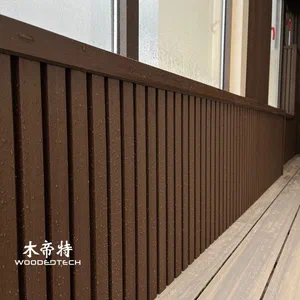 WPC Wall Cladding and Decking Combine Durable Materials for Complete Outdoor Space Solutions
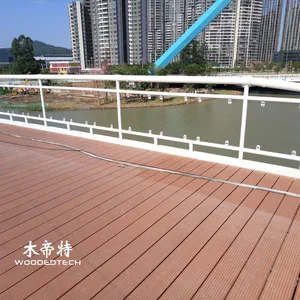 Composite Deck Boards 1X6X16 Provide Reliable Performance for Outdoor Deck Construction
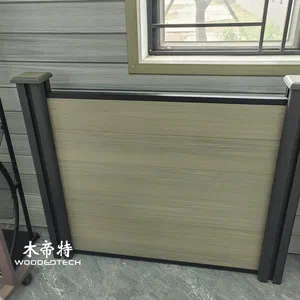 WPC Slat Panel Installation Guide for Industrial Applications
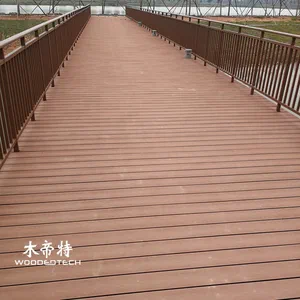 Composite Cladding Material: A B2B Guide to Performance and Applications
Related Products
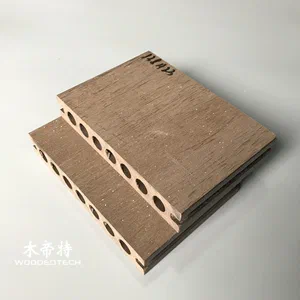 D13823 Round Hole Double Sided Flat WPC Bamboo Decking Boards With Strong Quality And Various Wood Grain Surface Treatments
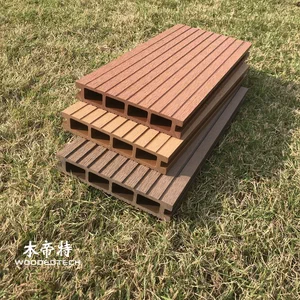 D14025-3 Square Hole Double Sided Grooved WPC Board Factory Producing Outdoor Decking Boards With Good Slip Resistance
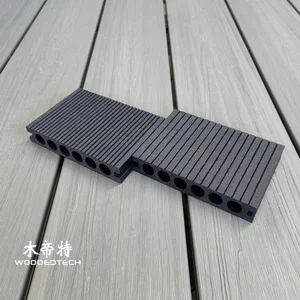 D14025-5 First Generation Large And Small Groove Ebony Color Composite Board With Low Profile Style And Dirt Resistant Outdoor Performance