
WPC Panels for Wall: A Guide to Industrial Interior Applications
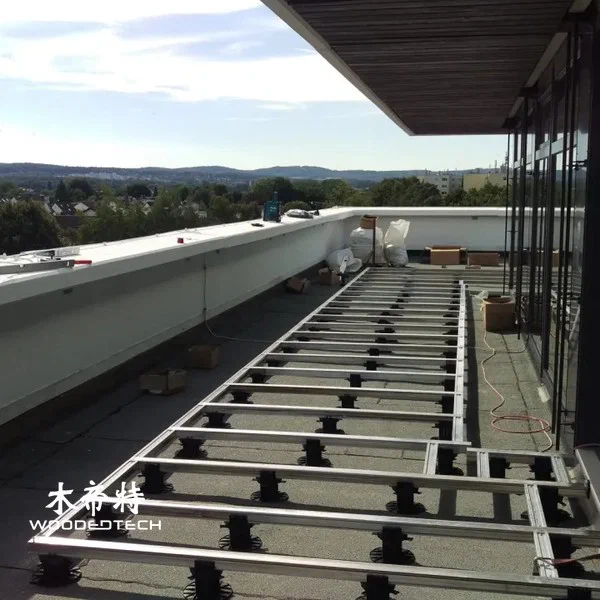
WPC panels for walls offer a practical surface solution for industrial interiors where durability, consistent appearance, and efficient installation matter. They can be specified for factories, warehouses, workshops, commercial back-of-house areas, offices, and other spaces that need a wood-look finish with lower routine maintenance.
Where WPC Wall Panels Fit in Industrial Interiors
For industrial projects, WPC wall panels are suitable for feature walls, partitions, reception areas, corridors, meeting rooms, staff areas, and designated production-support spaces. Their wood plastic composite construction provides a balance of dimensional stability and decorative appeal, while panel profiles can be selected to create smooth, grooved, fluted, or slatted surfaces.
In warehouses and workshops, specify panels primarily for areas where appearance and wall protection are important rather than as a substitute for specialized hygienic or fire-rated wall systems. For offices inside industrial facilities, WPC wall cladding can create a warmer visual environment while maintaining a clean, structured appearance. Where panels are exposed to impact, moisture, chemicals, or elevated temperatures, the material specification should be matched to the actual operating conditions.
Application Recommendations by Area
A practical application approach is to select the panel structure and installation system according to the environment:
- Factory offices and reception areas: Use wood-grain or fluted WPC wall panel designs to create a professional finish with clear visual zoning.
- Warehouses and corridors: Consider durable profiles and robust fixing systems, especially in high-traffic areas where wall impact is possible.
- Workshops: Use WPC panels only in suitable non-process areas and confirm chemical, temperature, and fire-performance requirements before specification.
- Hotels and commercial facilities: Apply WPC wall cladding to lobbies, corridors, lounges, staff areas, and decorative feature walls where a consistent architectural finish is required.
- Parks, balconies, swimming pool areas, and other outdoor facilities: Use exterior-grade WPC products specifically designed for weather exposure, such as outdoor WPC wall panels, decking, louvers, railings, and decorative screens.
For outdoor applications, residential gardens can use WPC as garden wall cladding, privacy screens, pergolas, planters, decking, and seating. Commercial landscapes and parks can incorporate WPC into benches, walkways, pavilion structures, boundary features, and decorative walls. Around swimming pools, specify products with appropriate slip resistance, moisture resistance, drainage, and fastening systems rather than using an indoor wall-panel specification.
Engineering Points to Check Before Specification
Before selecting a WPC wall panel, confirm the substrate, installation method, panel dimensions, ventilation requirements, expected temperature range, moisture exposure, UV conditions, fire-performance requirements, and local building regulations. For commercial or industrial projects, also review loading and impact conditions, maintenance access, replacement requirements, and compatibility between the panel, clips, screws, framing, and supporting wall.
A well-designed WPC system should include appropriate expansion allowances and a stable substructure. For exterior installations, allow for thermal movement and provide adequate drainage and ventilation behind the cladding. For high-traffic public facilities, choose a profile and fixing method that can withstand the expected service conditions rather than selecting solely on appearance.

FAQ
Q: Can WPC wall panels be used in factories? A: Yes, they can be used in suitable non-process areas such as offices, reception spaces, corridors, and staff facilities. Check fire, chemical, impact, and temperature requirements before specification.
Q: Can the same WPC panel be used indoors and outdoors? A: Not necessarily. Exterior applications require products engineered for weather, UV, moisture, and thermal exposure.
Q: What should buyers confirm with a WPC supplier? A: Confirm panel dimensions, material composition, installation system, performance data, applicable certifications, surface treatment, and suitability for the project’s environmental conditions.
Related Articles
 WPC Wallpanel: Industrial Applications, Benefits, and Selection Guide
 WPC Panel Sealing: Industrial Solutions and Best Practices for 2026
 WPC Exterior Panels for Attractive Outdoor Walls Building Facades and Exterior Cladding Applications
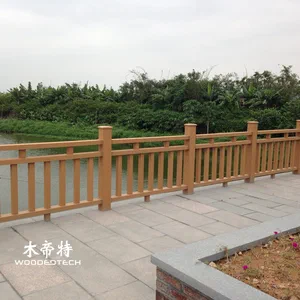 WPC Fence Wholesale for Outdoor Landscaping Projects Residential Properties and Commercial Developments
Related Products
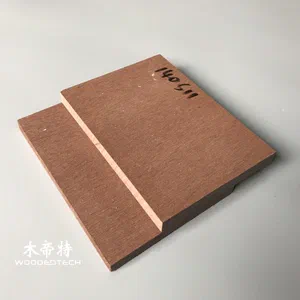 B14011 WPC Paneling Sheets Feature Double Flat Surfaces with Heat Pressed Wood Grain Designs for Outdoor Styles
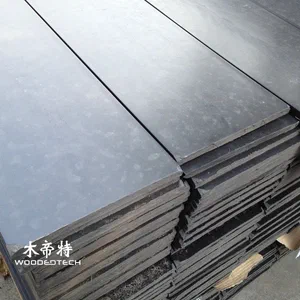 B17010 Plastic Wood Look Siding Provides Decorative Thin Boards for Modern Outdoor Wall Applications
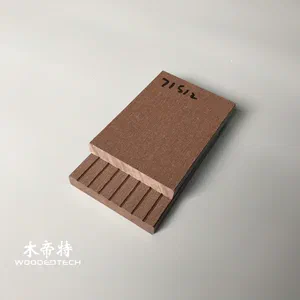 B7112 WPC Panel Design Exterior Boards Offer Stocked Fence Strips for Outdoor Decoration and Edge Finishing