
wpc panel for compound wall: Industrial Applications Guide 2026
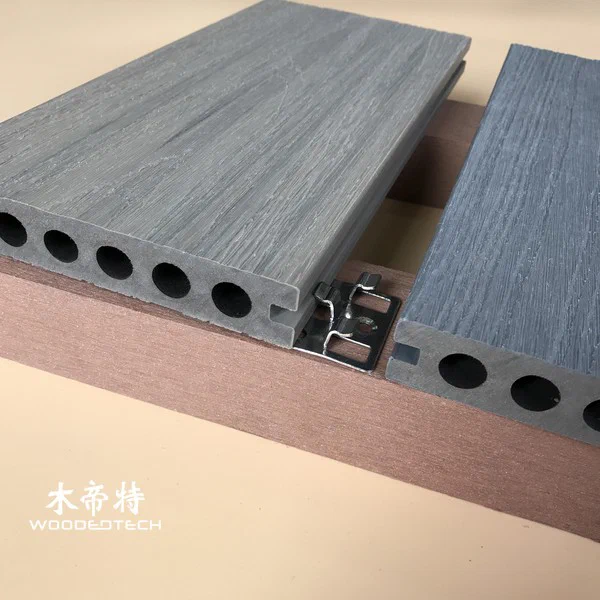
WPC panel for compound wall applications provides a durable and modern solution for boundary protection, architectural decoration, and outdoor space improvement. Designed for residential, commercial, and public projects, WPC wall systems combine wood-like appearance with weather resistance, making them suitable for long-term exterior use in 2026 construction and landscape projects.
Residential and commercial compound wall applications
For residential gardens and private properties, WPC panels can be installed on compound walls to improve privacy, security, and exterior appearance. They are suitable for villa boundaries, garden partitions, and entrance walls where homeowners want a natural wood texture without frequent painting or maintenance.

Professional application suggestions include:
- Use vertical or horizontal WPC panel layouts to create modern facade effects.
- Combine WPC panels with aluminum frames for stronger structural support.
- Select UV-resistant profiles for areas with strong sunlight exposure.
- Add decorative patterns or slatted designs for better ventilation and visual depth.
Commercial landscapes such as office buildings, shopping areas, and business parks can use WPC compound wall panels to create consistent branding and attractive outdoor environments. The material works well for perimeter walls, landscape partitions, and architectural feature walls.
Hospitality, parks, and public facility projects
Hotels and resorts often require exterior materials that maintain appearance under heavy outdoor use. WPC panels are suitable for hotel garden walls, poolside privacy screens, entrance features, and landscape zoning areas. Their low maintenance requirements help reduce long-term operation costs while maintaining a premium outdoor atmosphere.
In parks and public facilities, WPC products can be applied to boundary fencing, decorative barriers, rest areas, and visitor pathways. For these projects, engineers should consider:
- High-impact areas requiring stronger profiles.
- Anti-slip and weather-resistant materials near wet environments.
- Easy replacement systems for large-scale maintenance.
- Color consistency across large installation areas.
Outdoor landscape integration and engineering recommendations
Balconies, swimming pool areas, and rooftop gardens are increasingly using WPC solutions because they provide a wood appearance with improved resistance to moisture, insects, and changing weather conditions. WPC panels can be combined with decking, railing, louvers, and privacy screens to create complete outdoor systems.
For compound wall projects, engineers should evaluate wall height, wind pressure, fixing methods, drainage, and local climate conditions before installation. Co-extrusion WPC panels are recommended for demanding environments because their protective outer layer offers enhanced color stability and surface performance.
A reliable WPC application design should balance aesthetics, durability, and installation efficiency. With customized profiles, finishes, and structural options, WPC panel systems can support a wide range of industrial, commercial, and residential exterior projects.
FAQ
Q: Can WPC panels be used for outdoor compound walls? A: Yes. WPC panels are designed for outdoor applications including compound walls, privacy fences, and decorative exterior surfaces.
Q: Are WPC compound wall panels suitable for hotels and public facilities? A: Yes. They are commonly used in hospitality and public landscapes because they require less maintenance and provide a consistent decorative appearance.
Q: What factors should be considered before installing WPC wall panels? A: Project location, climate conditions, wall structure, fixing method, and required design style should be evaluated before installation.
Related Articles
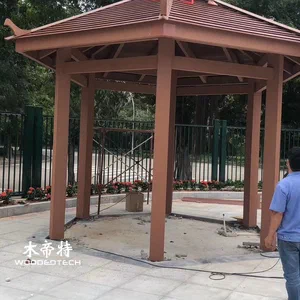 Wood Plastic WPC Wall Panel Provides Durable Exterior Decoration with Natural Wood Appearance
 wpc outdoor wall panel philippines offers stylish and durable options for exterior building decoration
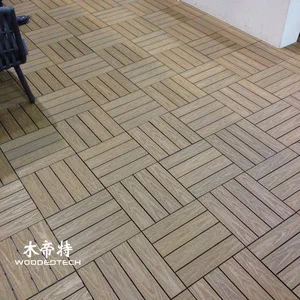 WPC Panel Design Offers Various Decorative Styles for Outdoor Wall and Flooring Applications
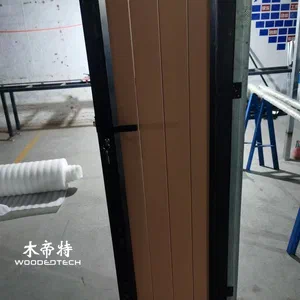 How To Choose 3d Wpc Wall Panel Design For Attractive Outdoor Walls
Related Products
 D14025-5 First Generation Large And Small Groove Redwood Color WPC Panel Material With Popular Outdoor Appearance
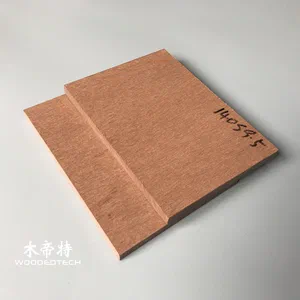 B1409.5 Siding WPC Exterior Boards Provide Waterproof Insect Resistant and Durable Outdoor Wall Solutions
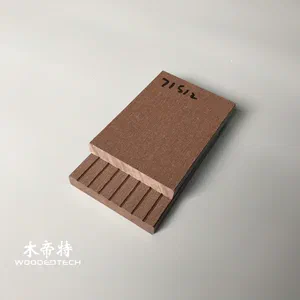 B7112 WPC Panel Design Exterior Boards Offer Stocked Fence Strips for Outdoor Decoration and Edge Finishing