
WPC mit nut und feder Solutions for Industrial Decking Applications
Worked for a second
WPC Mit Nut Und Feder Solutions for Industrial Decking Applications
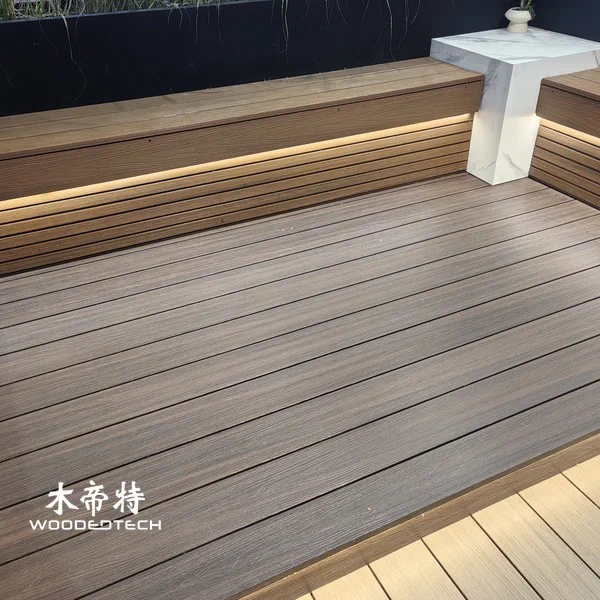
WPC tongue-and-groove decking provides a practical solution for industrial and commercial outdoor flooring where stable installation, weather resistance, and consistent appearance matter. The interlocking profile can improve alignment between boards while helping create a clean deck surface for demanding exterior environments.
Where WPC Tongue-and-Groove Decking Works Best
For industrial decking applications, WPC should be selected according to traffic level, span requirements, drainage conditions, and exposure to sunlight or moisture. Tongue-and-groove WPC decking is particularly suitable for:
- Residential gardens and terraces where homeowners want a wood-like surface with reduced routine maintenance.
- Commercial landscapes, walkways, courtyards, and outdoor seating areas exposed to frequent pedestrian traffic.
- Hotels and resorts, especially around entrances, outdoor dining areas, terraces, and recreational zones.
- Parks and public facilities where durable outdoor flooring must accommodate repeated use and changing weather conditions.
- Balconies and rooftop terraces where waterproof flooring that looks like wood is often preferred for visual consistency.
- Swimming pool areas where drainage, surface grip, and resistance to moisture should be considered together.
For industrial projects, the deck structure is just as important as the board itself. Engineers should verify joist spacing, fastening methods, expansion allowances, load requirements, drainage, and ventilation before installation. Where heavy equipment, service vehicles, or unusually high loads are expected, a standard residential decking specification should not be assumed to be sufficient.
Application Recommendations for Project Engineers
For high-traffic commercial or industrial environments, consider solid composite decking or a reinforced WPC decking profile where greater mechanical strength is required. Surface treatment also matters: grooved composite decking can support drainage and improve underfoot traction, while a textured or embossed surface may provide a more natural appearance.

Around pools, spas, and frequently wet public areas, specify a profile and surface designed for slip resistance and adequate water drainage. For balconies and rooftop applications, allow sufficient substructure ventilation and account for thermal movement. In hotels and landscaped developments, color consistency and long-term appearance should be evaluated alongside structural performance.
WPC is also useful as part of a wider outdoor design system. Decking can be coordinated with composite railing, WPC wall cladding, pergolas, privacy screens, benches, and other landscape elements to create a consistent architectural finish. For large projects, an experienced WPC manufacturer can help review profile dimensions, installation details, surface requirements, and customized extrusion options before production.
What to Check Before Specification
A professional specification should cover material composition, profile structure, dimensions, load expectations, slip resistance, weather exposure, color stability, fastening compatibility, and installation conditions. Procurement teams should also request technical data and installation guidance rather than comparing products by appearance or price alone.
For industrial decking, the best WPC solution is not simply the board with the lowest purchase cost. The profile should match the project’s structural demands, environmental conditions, maintenance expectations, and intended service life.
FAQ
Q: Is WPC tongue-and-groove decking suitable for commercial projects?
A: Yes, when the profile, substructure, load capacity, drainage, and fastening system are properly specified for the project conditions.
Q: Can WPC decking be used around swimming pools?
A: Yes. Select a moisture-resistant profile with appropriate slip resistance, drainage, ventilation, and installation detailing.
Q: What should engineers confirm before ordering industrial WPC decking?
A: Confirm dimensions, load requirements, joist spacing, expansion allowances, surface treatment, fastening compatibility, and environmental exposure.
Related Articles
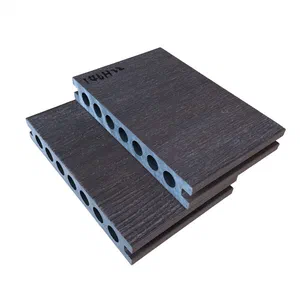 Composite Decking Breaker Board: 2026 Guide for Industrial Projects
 Composite Decking Spacers: Installation Standards and Buying Criteria
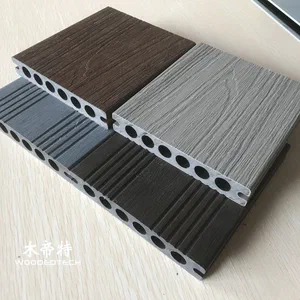 Painting Composite Decks: Industrial Coating Guide for 2026
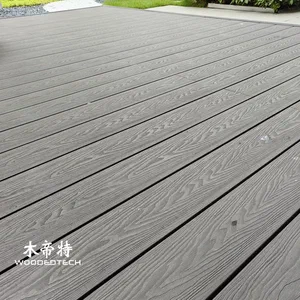 WPC Deck Installation for Creating Durable Outdoor Decking Areas in Gardens Patios and Commercial Spaces
Related Products
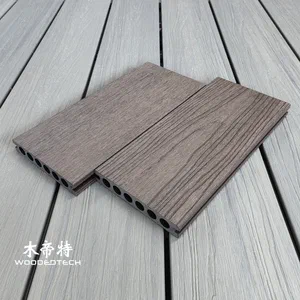 3DGD13823 Second Generation 3D Embossed Rosewood Composite Balcony Decking Delivers Ultra Realistic Wood Grain Texture and a Premium Natural Wood Experience
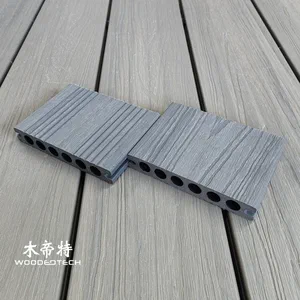 GD13823-3 Light Grey Premium Co Extrusion WPC Composite Decking Offers LG Texture and Excellent UV Resistance for Outdoor Spaces
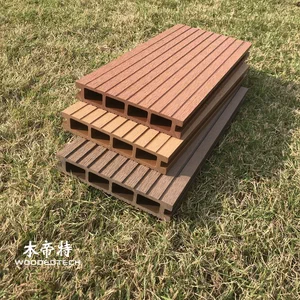 D14025-3 Square Hole Double Sided Grooved WPC Board Factory Producing Outdoor Decking Boards With Good Slip Resistance