
WPC Deck Panel: Technical Guide to Industrial Applications and Selection
Worked for a second
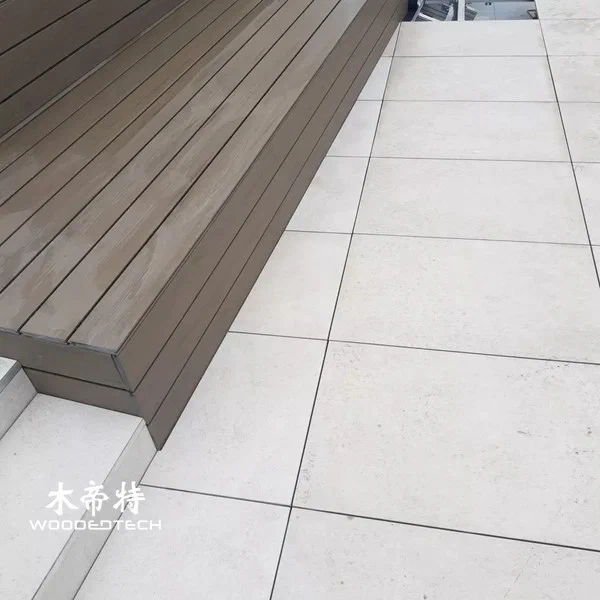
WPC deck panels are engineered for outdoor surfaces where durability, moisture resistance, low maintenance, and consistent appearance matter. For industrial and commercial projects, selection should consider traffic, climate, drainage, structural support, slip resistance, UV exposure, and installation conditions rather than appearance alone.
Where WPC Deck Panels Fit Best
In residential gardens, WPC decking works well for patios, garden paths, terraces, outdoor dining areas, and raised platforms. For garden projects, choose exterior WPC decking with suitable drainage gaps and a textured or grooved surface where rainwater and wet leaves are common. Balconies and rooftop terraces can also use WPC deck panels, provided the substrate has adequate drainage and the finished system is compatible with local structural and fire requirements. For exposed balconies, UV resistance and controlled thermal expansion are particularly important.
Commercial landscapes require a more performance-oriented specification. WPC deck panels can be used around restaurants, shopping centers, office developments, pedestrian landscaping, outdoor seating zones, and recreational areas. Where foot traffic is frequent, prioritize composite decking durability, surface wear resistance, dimensional stability, and reliable substructure spacing. For projects requiring consistent color and appearance across a large area, request production samples and batch-control information before placing a bulk order.
Hotels and resorts commonly use WPC decking for pool surrounds, balconies, terraces, walkways, leisure platforms, and outdoor dining spaces. Around swimming pools, select a profile with effective water drainage and a slip-resistant surface, and avoid designs that create difficult-to-clean recesses. Pool chemicals, continuous moisture, strong sunlight, and frequent pedestrian traffic should all be considered during product selection. A qualified installer should also maintain appropriate expansion gaps and ensure that the supporting frame provides sufficient ventilation beneath the panels.
Public Facilities and Project Selection
Parks, waterfront recreation areas, public gardens, pedestrian platforms, and other public facilities can benefit from WPC deck panels where repeated outdoor use demands low routine maintenance. For these applications, evaluate the expected pedestrian load, local weather conditions, drainage, accessibility requirements, vandalism exposure, maintenance access, and replacement strategy. Projects near water or in humid climates should place particular emphasis on moisture management and corrosion-resistant fixing systems. For high-traffic installations, solid composite decking may be preferable where greater impact resistance is required.

From an engineering perspective, buyers should specify more than board dimensions and color. Confirm the WPC composition, profile structure, surface treatment, load requirements, joist spacing, expansion behavior, UV and weather resistance, slip performance, installation method, and applicable test documentation. Co-extrusion or capped construction can be considered when enhanced surface protection is required. For large commercial orders, ask the manufacturer for installation drawings, technical data sheets, sample sections, color consistency information, and guidance on site-specific substructure design.
FAQ
Q: Can WPC deck panels be used around swimming pools? A: Yes. Select a suitable slip-resistant outdoor profile with effective drainage and follow the manufacturer’s installation and maintenance requirements.
Q: Are WPC deck panels suitable for public parks? A: Yes, when the selected system is engineered for the expected pedestrian loads, weather exposure, drainage conditions, and maintenance requirements.
Q: What should buyers check before ordering WPC decking? A: Check profile construction, dimensions, load requirements, joist spacing, expansion behavior, surface performance, UV resistance, fixing method, and technical documentation.
Related Articles
 composite decking anti slip Solutions for Commercial Projects 2026
 Composite Decking Lengths Provide Flexible Options For Different Outdoor Project Requirements
 WPC Decking Meaning and Why It Is a Popular Choice for Outdoor Spaces
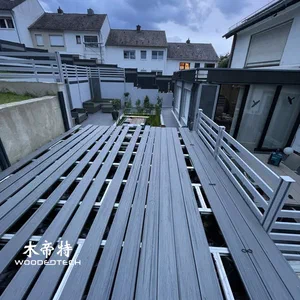 Deck Plastic Wood Combines Natural Appearance with Long Lasting Outdoor Performance
Related Products
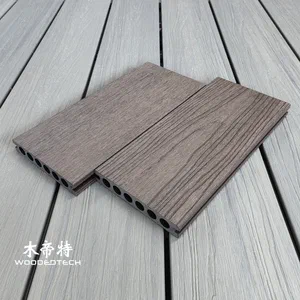 3DGD13823 Second Generation 3D Embossed Rosewood Composite Balcony Decking Delivers Ultra Realistic Wood Grain Texture and a Premium Natural Wood Experience
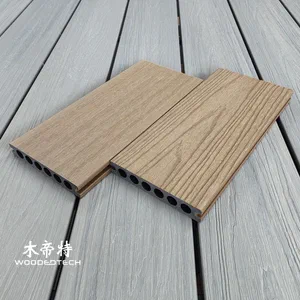 3DGD13823 Second Generation 3D Embossed Teak Decking Composite Material Features Ultra Realistic Wood Grain Texture for Elegant Outdoor Flooring
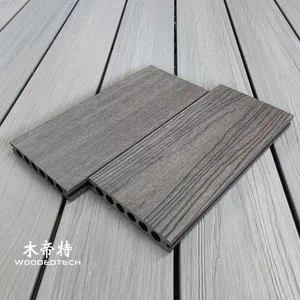 3DGD13823 Second Generation 3D Embossed Walnut WPC Decking Combines Ultra Realistic Wood Grain Texture with the Natural Beauty of Walnut for Outdoor Spaces