
wpc company Solutions for Sustainable Industrial Applications 2026
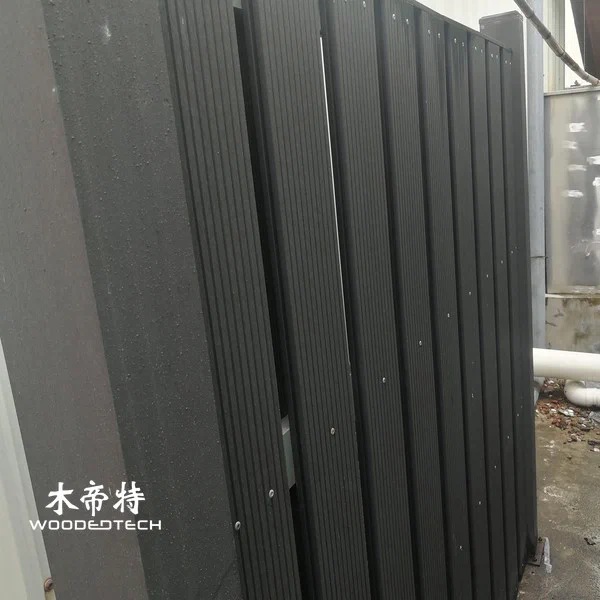
Outdoor WPC (wood-plastic composite) offers industrial and commercial projects a practical way to reduce reliance on virgin timber while making better use of recycled materials. For 2026, a wpc company can support sustainable construction with durable decking, exterior wall panels, fencing, and other building components designed for demanding outdoor environments. The environmental benefits depend on material sourcing, product formulation, service life, and end-of-life management.
Recycled Materials and Responsible Resource Use
WPC combines wood fibers or wood flour with thermoplastics to create a material suitable for outdoor construction. Depending on the manufacturer and product specification, the wood component may come from sawmill by-products, recycled wood, or other responsibly sourced wood resources, while the plastic component may include recycled polymers. Using these materials can divert suitable waste from disposal and create value from resources that might otherwise go unused.
For industrial buyers, recycled content is an important procurement consideration. Ask suppliers to disclose the percentage of recycled material, the origin of their raw materials, and any available third-party verification. Recycled content alone does not guarantee a lower environmental impact, but transparent sourcing helps businesses compare products and document sustainability efforts.
Outdoor WPC can also reduce demand for solid timber in applications such as walkways, terraces, perimeter fencing, and exterior cladding. This can ease pressure on forest resources when the composite replaces wood that would otherwise require additional harvesting. However, the actual benefit depends on the wood source, plastic content, manufacturing process, and material displaced.
Durability for Long-Term Industrial Applications
Industrial outdoor environments expose building materials to moisture, sunlight, temperature changes, and frequent use. Quality outdoor WPC products are engineered to withstand many of these conditions, helping reduce premature replacement when correctly specified and installed.

Compared with untreated wood, suitable WPC products can offer improved resistance to moisture-related deterioration, splintering, and insect damage. UV-resistant formulations and protective co-extruded surfaces can further support color retention and weather performance. These features make WPC a potential choice for commercial walkways, factory outdoor areas, loading-zone surroundings, and public facilities, subject to the product’s load, slip-resistance, and fire-performance ratings.
Longer service life can reduce the frequency of replacement materials, transportation, and installation work. Buyers should compare expected service life under actual site conditions rather than relying on general durability claims.
Low Maintenance and Reduced Operating Costs
Outdoor WPC generally requires routine cleaning instead of the regular painting, staining, or sealing often needed by conventional timber. This can reduce maintenance labor, coating consumption, and associated material waste across large commercial installations.
For facilities managers, these advantages can simplify maintenance schedules and help control long-term operating costs. Nevertheless, WPC is not maintenance-free. Periodic cleaning, drainage checks, inspections, and appropriate installation clearances remain important, especially in areas exposed to heavy traffic or standing water.
Choosing a Sustainable WPC Company in 2026
When evaluating suppliers, industrial procurement teams should review recycled-content documentation, product durability data, warranty terms, installation requirements, and available environmental product declarations. End-of-life options also matter because wood-plastic composites can be difficult to separate into their original materials for recycling.
A qualified wpc company should provide clear technical specifications and recommend products suited to the project’s climate, traffic levels, and safety requirements. Selecting outdoor WPC based on verified performance and lifecycle considerations helps businesses balance resource efficiency, durability, and maintenance needs.
FAQ
Q: Is outdoor WPC more environmentally friendly than natural wood?
A: It can be, particularly when it uses recycled materials and lasts longer than the wood product it replaces. The overall impact depends on sourcing, manufacturing, service life, and disposal options.
Q: Can outdoor WPC be used for industrial applications?
A: Yes. Suitable products can serve in commercial decking, walkways, fencing, and exterior cladding when their load capacity, slip resistance, weather performance, and fire ratings meet project requirements.
Q: Does outdoor WPC require regular maintenance?
A: Outdoor WPC generally needs less maintenance than untreated or frequently coated timber, but periodic cleaning and inspections are still necessary.
Related Articles
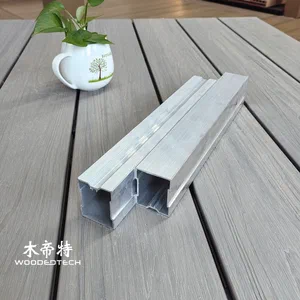 wpc company provides professional outdoor composite decking and wall panel manufacturing solutions worldwide
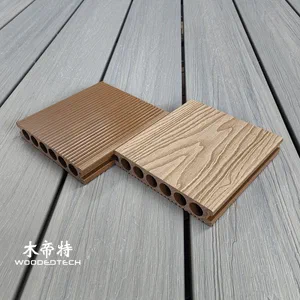 Wood plastic composites provide sustainable material solutions for global outdoor applications
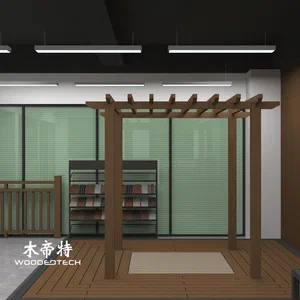 Plastic composite decking offers an eco friendly alternative for long lasting outdoor flooring applications
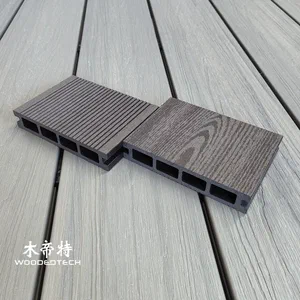 extruded wood composites provide versatile material solutions for modern outdoor construction
Related Products
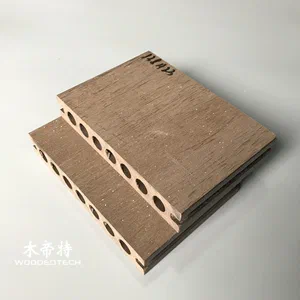 D13823 Round Hole Double Sided Flat WPC Bamboo Decking Boards With Strong Quality And Various Wood Grain Surface Treatments
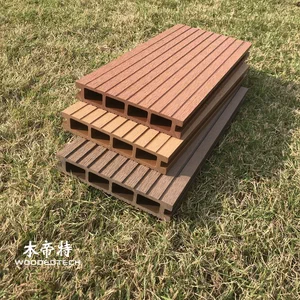 D14025-3 Square Hole Double Sided Grooved WPC Board Factory Producing Outdoor Decking Boards With Good Slip Resistance
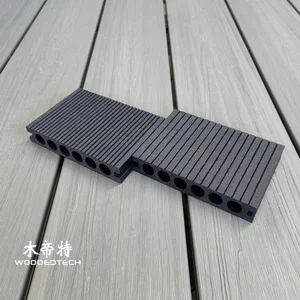 D14025-5 First Generation Large And Small Groove Ebony Color Composite Board With Low Profile Style And Dirt Resistant Outdoor Performance