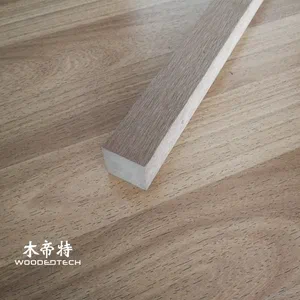
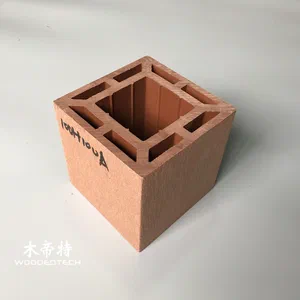
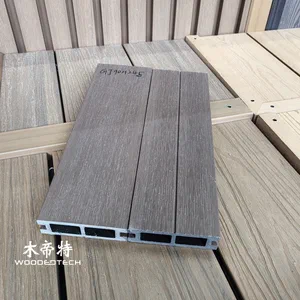
wpc carport Solutions for Industrial Applications: 2026 Market Trends
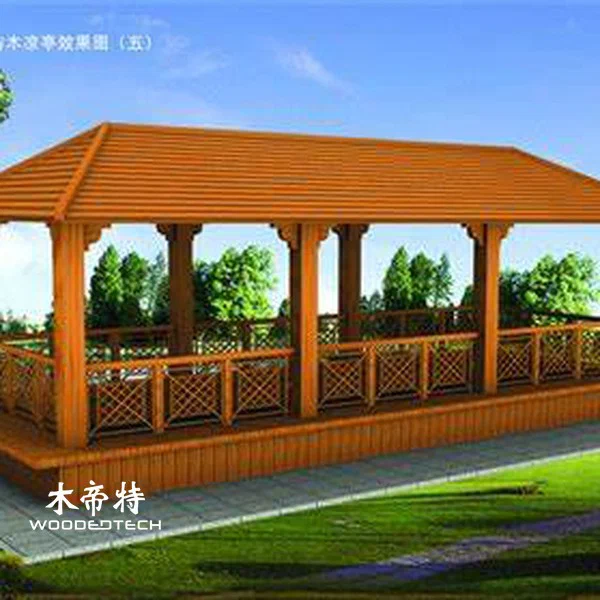
WPC carport solutions are gaining relevance in industrial and commercial construction as businesses seek durable, low-maintenance materials for outdoor infrastructure. In 2026, market opportunities center on integrating wood-plastic composite components into carport designs, particularly for weather-resistant cladding, privacy screens, decorative louvers, and architectural finishes. For industrial buyers, the priority is balancing long-term performance, installation efficiency, and lifecycle costs.
2026 Market Trends Driving Industrial Demand
Industrial facilities, logistics centers, warehouses, commercial parking areas, and manufacturing plants require carports that withstand demanding outdoor conditions. Traditional steel and aluminum remain essential for load-bearing structures, while WPC materials offer an alternative for selected non-structural elements. This combination allows developers to retain structural strength while improving visual consistency and reducing routine maintenance.
Three market trends are shaping purchasing decisions. First, buyers increasingly evaluate total lifecycle costs rather than initial material prices alone. Second, sustainability requirements are encouraging interest in composite products containing recycled plastics and wood fibers. Third, modern industrial developments increasingly incorporate architectural features that create a consistent appearance across parking facilities, office buildings, fencing, and landscape areas.
However, WPC carports are not a single standardized product category. Actual demand depends on the application, regional construction practices, local building codes, and whether buyers need complete carport systems or composite components for integration into existing structures.
Material Performance and Product Integration

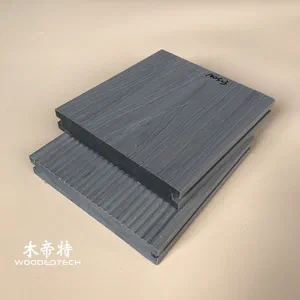
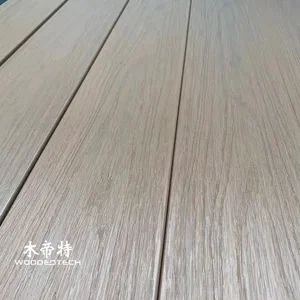
For industrial applications, material selection must reflect exposure conditions and project requirements. UV resistance, moisture tolerance, dimensional stability, surface durability, and temperature performance are important considerations. Co-extruded composite profiles may provide additional surface protection, depending on their formulation and manufacturing quality.
Potential applications include:
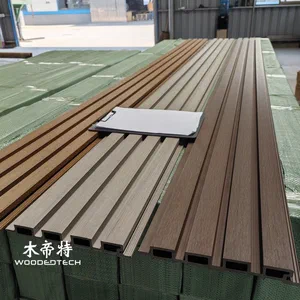
- WPC wall cladding for carport perimeter walls and service areas.
- Composite louvers and decorative screens for partial privacy and visual separation.
- WPC fencing to define parking zones, equipment areas, and pedestrian boundaries.
- Composite pergolas and shaded outdoor structures for employee rest areas and visitor facilities.
- Coordinated landscape products, including benches and planters, for commercial campuses.
WPC should not automatically replace structural steel, aluminum, or engineered timber. Buyers must verify load-bearing requirements, wind resistance, fire performance, thermal expansion, and fastening compatibility for each intended use. In particular, composite components should only be used in structural roles when the product has been specifically engineered and approved for that purpose.
Global Market Opportunities and Competitive Strategy
Future opportunities are likely to emerge from commercial parking expansion, industrial park development, warehouse construction, and renovation projects. Markets with strong demand for outdoor infrastructure and growing interest in lower-maintenance building materials may offer promising opportunities, although growth rates differ by country and application.
For manufacturers and exporters, the strongest strategy is to offer integrated product packages rather than isolated profiles. Coordinating carport cladding, WPC fencing, exterior louvers, and landscape products can simplify procurement and help contractors maintain consistent specifications across large projects.
Customization is another competitive advantage. Industrial buyers may require project-specific colors, profile dimensions, surface textures, fire-rated assemblies, and installation accessories. Suppliers that provide technical drawings, sample testing, reliable lead times, and clear documentation can build stronger relationships with distributors, architects, and construction contractors.
In 2026 and beyond, market success will depend on demonstrating measurable performance rather than relying on sustainability claims or appearance alone. Suppliers that combine dependable composite materials with practical engineering support and scalable production will be better positioned to capture industrial and commercial opportunities.
FAQ
Q: Are WPC materials suitable for industrial carports?
A: WPC is suitable for selected non-structural applications, including cladding, louvers, and privacy screens. Structural components require appropriate engineering, testing, and regulatory approval.
Q: What should buyers evaluate when sourcing WPC carport components?
A: Buyers should assess UV resistance, fire performance, dimensional stability, installation requirements, warranties, and compliance with local building codes.
Q: Which related products offer the greatest integration opportunities?
A: WPC wall cladding, composite fencing, exterior louvers, pergolas, and landscape products can be supplied as coordinated packages for industrial and commercial developments.