
wpc bedeutung: Industrial Applications and Material Insights 2026
Worked for a second
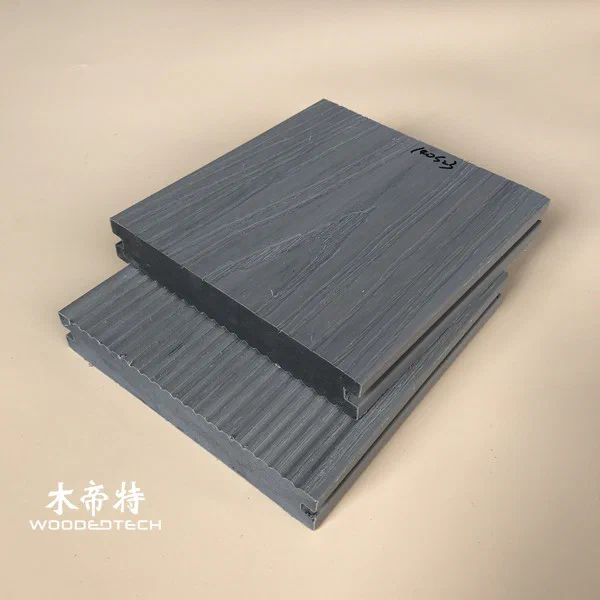
WPC stands for wood plastic composite, a material made by combining wood fibers or flour with thermoplastics and selected additives. In industrial and outdoor applications, WPC offers a practical balance of wood-like appearance, dimensional stability, durability, and low maintenance, making it suitable for decking, cladding, fencing, railing, and architectural components.
What Does WPC Mean in Industrial Manufacturing?
The term WPC refers to wood plastic composite, also called wood polymer composite. Depending on the product and performance target, manufacturers typically combine wood-based fillers with polymers such as PE, PP, or PVC, together with pigments, stabilizers, lubricants, and other functional additives. The formulation directly affects strength, water resistance, UV performance, surface appearance, and processing behavior.

For international buyers, understanding WPC meaning is more useful when the material is evaluated through its complete specification rather than the abbreviation alone. Resin selection, wood-to-polymer ratio, extrusion temperature, profile structure, density, and surface treatment all influence finished-product performance.
Key Industrial Applications of WPC
WPC is widely processed into outdoor building and landscaping products where conventional timber can require frequent maintenance. Common applications include:
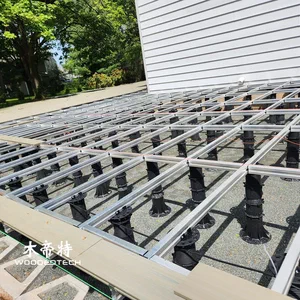
- WPC decking and outdoor flooring
- WPC wall cladding and facade panels
- Fencing, privacy screens, and decorative grilles
- Railings, stair treads, and handrail systems
- Pergolas, gazebos, louvers, and architectural profiles
- Benches, planters, and other outdoor furniture
For commercial projects, manufacturers can produce hollow or solid profiles according to load requirements. Co-extrusion can also add a protective outer layer to improve resistance against moisture, staining, UV exposure, and everyday wear.
Material Selection and Manufacturing Considerations
When sourcing WPC products, buyers should assess more than appearance and price. Material formulation, profile design, extrusion consistency, moisture control, surface embossing, color stability, and dimensional tolerances are important indicators of manufacturing quality.
A capable WPC manufacturer should be able to provide technical data, sample development, customized extrusion profiles, and consistent batch production. For OEM and private-label projects, buyers may also require customized colors, textures, dimensions, packaging, tooling, and surface finishes.
For outdoor use, weather resistance is particularly important. Properly engineered WPC products can provide a wood-inspired appearance while reducing routine painting, staining, and replacement compared with many conventional timber products. However, performance depends on the formulation, manufacturing process, installation method, and local environmental conditions.
Why WPC Matters for Buyers in 2026
The growing demand for sustainable composite building products is expanding WPC applications beyond standard decking. Architectural manufacturers are increasingly using WPC for exterior wall systems, louvers, screens, fencing, and customized decorative profiles.
For distributors and project suppliers, the key purchasing questions are therefore not simply “What does WPC mean?” but also which polymer system is used, what performance standards are supported, how the product is manufactured, and whether the supplier can maintain consistent quality at commercial volumes.
FAQ
Q: What does WPC stand for?
A: WPC stands for wood plastic composite, a composite material made primarily from wood-based fibers or flour and thermoplastic polymers.
Q: Where is WPC commonly used?
A: WPC is commonly used for outdoor decking, wall cladding, fencing, railing, pergolas, louvers, furniture, and architectural decorative products.
Q: What should buyers check when sourcing WPC products?
A: Buyers should evaluate material formulation, durability, dimensional stability, surface treatment, manufacturing consistency, technical specifications, and OEM customization capability.
Related Articles
Related Products
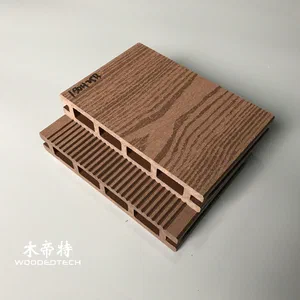 D15025-2 Classic Waterproof Insect Resistant Corrosion Resistant And Termite Resistant Composite Decking Types With Twenty Years Of Sales Experience
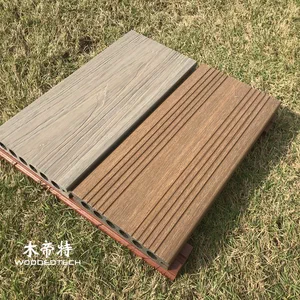 GD13823-3 Second Generation Co Extruded Wood Plastic Composites With High Quality Stable Performance For Premium Outdoor Applications
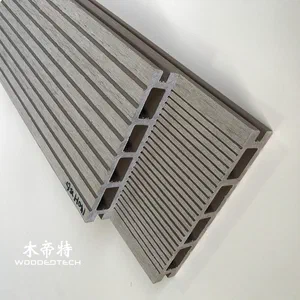 D14025-3 Composite Lumber for Decks Features a Classic Double Sided Groove Design with Excellent Value for Outdoor Projects