
Wood Plastic Composite Price: Key Factors and Market Trends in 2026
Worked for a couple of seconds
Wood plastic composite prices in 2026 are shaped by raw material costs, product structure, surface treatment, manufacturing technology, order volume, and regional logistics. For international buyers, comparing the price per square meter or board alone can be misleading because product performance and total landed cost vary significantly between suppliers.
What Drives Wood Plastic Composite Price in 2026
The biggest cost factor remains the formulation of the WPC material. Wood fiber, recycled plastics, virgin polymers, additives, pigments, and stabilizers all affect the final price. Higher polymer content can improve moisture resistance and dimensional stability, while recycled content may reduce material costs when suitable feedstock is available. Buyers should therefore compare specifications rather than treating all wood plastic composite products as equivalent.
Product construction also creates substantial price differences. Hollow decking boards generally use less material than solid profiles, while co-extrusion adds a protective outer layer that can improve resistance to stains, fading, moisture, and everyday wear. Embossed wood-grain finishes, special colors, fire-retardant formulations, and custom extrusion profiles can further increase manufacturing costs. These differences are particularly important when comparing composite decking, wall cladding, fencing, pergolas, and landscape products.
Global Market Trends and Buyer Opportunities
Demand is moving toward low-maintenance exterior materials as commercial developers, residential builders, and landscaping contractors seek alternatives to traditional timber. Composite decking remains a major application, while WPC wall cladding, privacy fencing, pergolas, louvers, screens, benches, and planters are expanding the addressable market. In many projects, buyers are also placing greater emphasis on consistent color, UV resistance, slip resistance, recycled content, and long service life.
For international sourcing, 2026 presents opportunities in value-added products rather than commodity boards alone. Co-extrusion, customized profiles, private-label production, matching fencing and decking systems, and coordinated outdoor product ranges can help suppliers serve distributors and project contractors more effectively. Buyers should also evaluate container utilization, packaging, accessories, installation systems, tariffs, freight, and local compliance requirements when calculating the real landed cost.

How Buyers Should Compare WPC Prices
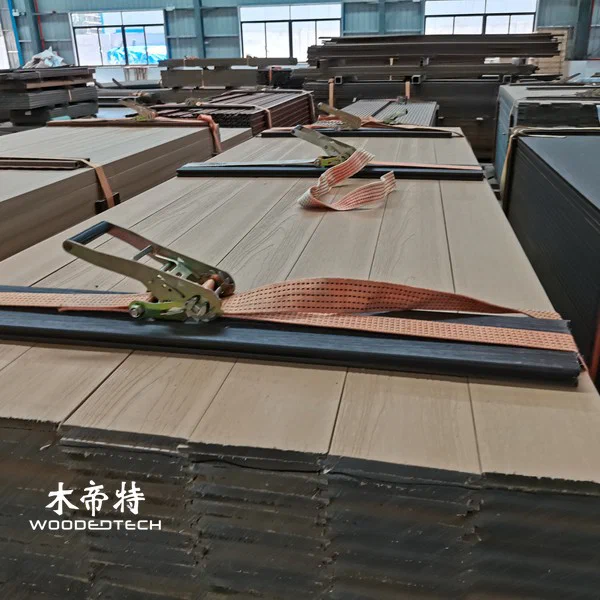
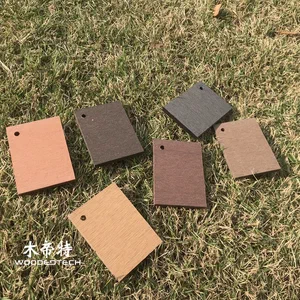
A reliable purchasing comparison should include material composition, board dimensions, weight per linear meter, surface treatment, warranty, packaging, minimum order quantity, and production capacity. Requesting samples and technical data before placing a bulk order can reveal differences in density, color consistency, surface quality, and dimensional stability that a simple quotation cannot show.
For manufacturers and exporters, future growth is likely to favor suppliers that combine competitive production costs with product customization, stable quality control, and complete outdoor building-material portfolios. Offering decking alongside cladding, fencing, pergolas, railings, and landscaping products can also create more opportunities with distributors seeking one-stop sourcing.
FAQ
Q: What affects wood plastic composite price the most? A: Material formulation, product structure, surface technology, dimensions, order volume, and logistics are among the main factors.
Q: Is co-extruded WPC more expensive? A: Usually, yes. The additional protective outer layer and manufacturing process generally increase the initial product cost.
Q: How can international buyers reduce WPC purchasing costs? A: Buyers can optimize order volumes, packaging, container loading, product specifications, and supplier selection while comparing total landed cost rather than unit price alone.
Related Articles
 len("wpc vs aluminium: A 2026 Industrial Material Comparison Guide")
 Composite Material Applications for Outdoor Decking Cladding Fencing Furniture and Garden Structures
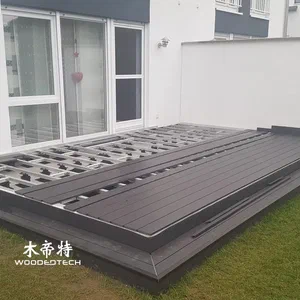
 Outdoor WPC Deck for Durable Residential Gardens Patios Balconies and Landscape Projects
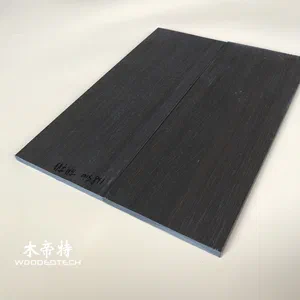
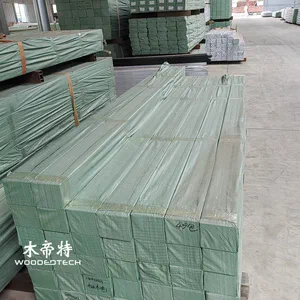 Solid Composite for Strong Durable Outdoor Decking Panels and Architectural Applications
Related Products
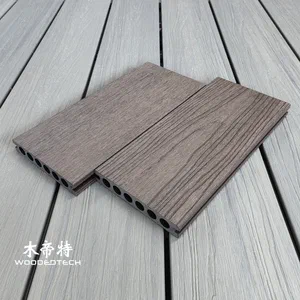 3DGD13823 Second Generation 3D Embossed Rosewood Composite Balcony Decking Delivers Ultra Realistic Wood Grain Texture and a Premium Natural Wood Experience
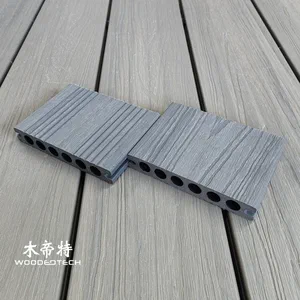 GD13823-3 Light Grey Premium Co Extrusion WPC Composite Decking Offers LG Texture and Excellent UV Resistance for Outdoor Spaces
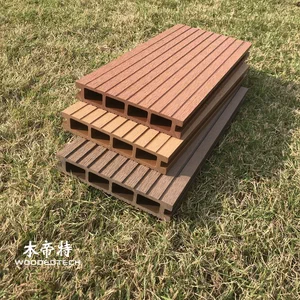 D14025-3 Square Hole Double Sided Grooved WPC Board Factory Producing Outdoor Decking Boards With Good Slip Resistance