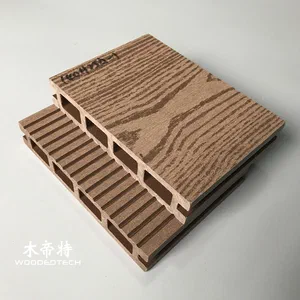
Types of Composite Decking Brands: A B2B Buyer’s Guide to Selection
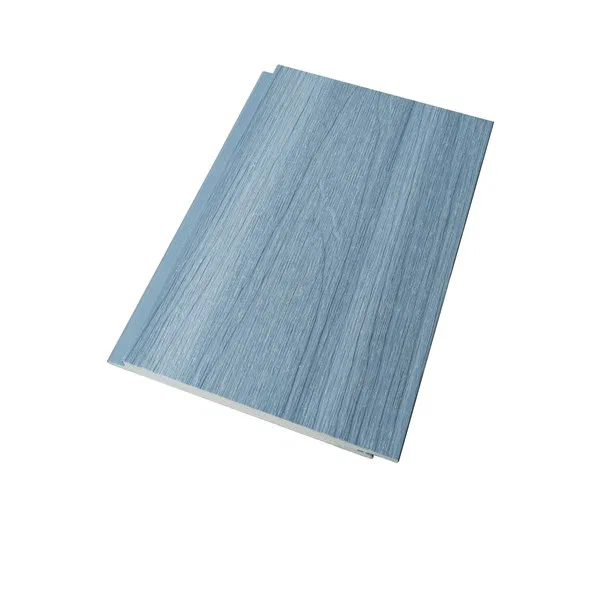
Composite decking brands differ in material composition, surface technology, product quality, warranty coverage, and distribution models. For overseas importers, distributors, and building material wholesalers, understanding these differences helps identify suitable products, compare suppliers, and build a reliable long-term sourcing strategy.
Main Types of Composite Decking Brands
Composite decking brands generally fall into four categories: premium international brands, regional brands, private-label brands, and factory-direct manufacturers. Each serves different market needs and purchasing budgets.

Premium international brands typically offer established product ranges, detailed installation systems, extensive technical documentation, and recognized warranty programs. They can suit projects where brand reputation and end-user confidence justify higher purchasing costs.
Regional brands focus on local building standards, climate conditions, and distribution networks. They may offer competitive pricing and faster regional delivery, making them attractive to importers serving specific markets.
Private-label brands allow distributors to sell decking under their own business names. This model provides greater control over branding, packaging, and market positioning, but buyers need to confirm product consistency and manufacturing accountability.
Factory-direct suppliers manufacture wood plastic composite decking and supply it to overseas customers without relying entirely on branded distribution channels. For wholesale buyers, this can provide more flexible customization, direct technical communication, and better control over bulk purchasing costs.
How to Evaluate a WPC Decking Supplier
The brand name alone does not establish product quality. Buyers should investigate the factory behind the brand, especially when purchasing directly from China.
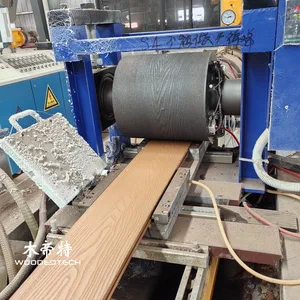
Start by checking manufacturing capacity, production equipment, quality control procedures, and experience with export orders. Ask whether the supplier produces decking in-house or outsources extrusion and surface treatment. A factory with stable production processes should be able to explain how it controls raw material batches, dimensions, color consistency, and finished-product defects.
Request relevant test reports, technical data sheets, warranty terms, and export references where available. Check whether testing covers the properties required for your market, such as slip resistance, water absorption, dimensional stability, weathering performance, and applicable fire classifications. Do not assume every product from the same supplier has identical performance.
Confirm Specifications Before Ordering
Before requesting a quotation, define the intended application, target market, and expected order volume. These details help suppliers recommend appropriate decking rather than simply offering the lowest-priced board.
Confirm the following specifications in writing:
- Material composition, including wood fiber and polymer types where disclosed
- Board dimensions, wall thickness, profile design, and weight per meter
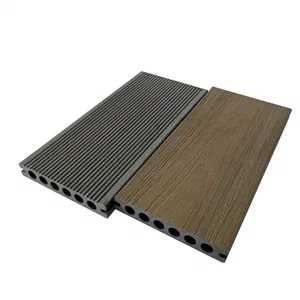
- Surface treatment, such as brushed, embossed, or co-extruded finishes
- Color options, UV resistance, and expected performance in local weather
- Installation requirements, compatible joists, clips, and accessories
- Packaging, loading quantities, minimum order requirements, and lead times
For demanding outdoor environments, capped or co-extruded decking may offer additional surface protection compared with uncapped products. However, performance depends on the complete product design, manufacturing quality, and installation conditions.
Reduce Purchasing Risks in International Trade
Request physical samples before confirming a bulk order, and evaluate color, texture, dimensions, and surface finish. Approve a reference sample and document the agreed specifications in the purchase contract.
Clarify payment terms, production schedules, inspection arrangements, shipping responsibilities, and procedures for handling defective goods. For larger orders, consider a pre-shipment inspection covering dimensions, appearance, packaging, and quantities. Verify the supplier’s legal business identity and ensure that test reports and certificates correspond to the actual product being purchased.
The best sourcing decision balances product performance, landed cost, factory reliability, and after-sales support. Comparing suppliers against the same technical checklist makes it easier to identify a suitable partner for repeat orders and long-term market development.
FAQ
Q: Are well-known composite decking brands always better?
A: Not necessarily. Brand recognition can support marketing, but buyers should also compare verified product performance, manufacturing consistency, warranty coverage, and total purchasing costs.
Q: Is buying directly from a Chinese WPC factory suitable for wholesalers?
A: Yes. Factory-direct purchasing can offer competitive pricing and customization options, provided the manufacturer has reliable quality controls, export experience, and clear commercial terms.
Q: Should buyers choose capped or uncapped composite decking?
A: The choice depends on the application, budget, and required weather resistance. Compare technical data, test results, maintenance expectations, and warranty conditions before selecting a product.