
Recycled Plastic Wood Decking: A Sustainable Solution for Industrial Projects
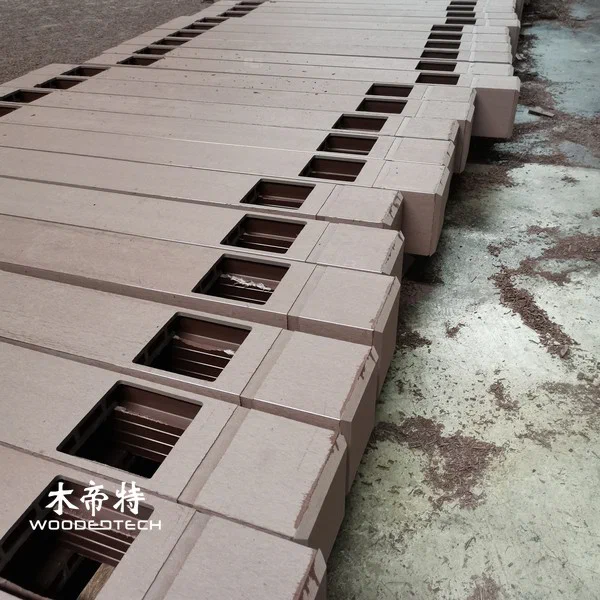
Recycled plastic wood decking offers industrial projects a practical way to reduce their environmental impact while maintaining reliable outdoor performance. Made from a combination of recycled plastics and wood fibers, wood plastic composite (WPC) decking helps conserve natural resources, divert waste from landfills, and reduce the maintenance demands associated with traditional timber. For factories, commercial facilities, warehouses, and public spaces, it provides a durable alternative for outdoor flooring and pedestrian areas.
Recycled Materials Reduce Waste
One of the main environmental advantages of recycled plastic wood decking is its use of reclaimed materials. Depending on the manufacturer and product formulation, WPC decking can incorporate recycled plastic from packaging, containers, and other plastic waste, together with recycled wood fibers or sawdust from woodworking operations.
By giving these materials a useful second life, manufacturers can reduce the demand for virgin plastic and make better use of existing resources. This approach supports circular material use and helps divert suitable waste from disposal. For industrial construction projects with sustainability targets, recycled plastic wood decking can contribute to responsible material selection, particularly when suppliers provide clear information about recycled content and manufacturing practices.
Reduced Wood Consumption Protects Natural Resources
Traditional timber decking relies on harvested wood, which can contribute to forest resource depletion when sourcing is not managed responsibly. WPC decking combines wood fibers with polymers, reducing the amount of solid timber required for each application.
This can help ease pressure on natural forests while retaining the familiar appearance of wood. For large industrial sites with extensive walkways, loading-area access paths, outdoor platforms, or employee recreation spaces, the material substitution can be significant across the entire project.
The environmental benefit depends on the product’s composition and sourcing. Buyers should check whether the wood fibers come from recovered by-products or responsibly managed forestry and whether the manufacturer can document the origin of its raw materials.
Durability Extends Product Service Life

Industrial outdoor environments expose decking to sunlight, rain, temperature fluctuations, and frequent foot traffic. Quality outdoor WPC decking is designed to resist moisture-related deterioration, splintering, and many of the problems associated with untreated timber. UV-resistant formulations and protective surface layers can also help maintain appearance under prolonged outdoor exposure.
A longer service life means fewer replacement boards, less construction waste, and potentially lower consumption of raw materials over time. However, performance varies by formulation, board structure, installation quality, and site conditions. Selecting decking with suitable load ratings, slip resistance, and weather resistance is essential for industrial applications.
Low Maintenance Reduces Long-Term Environmental Impact
Unlike conventional wood decking, WPC generally does not require routine painting, staining, or wood-preservative treatments. Regular cleaning with appropriate methods is usually sufficient to maintain its appearance and usability. This reduces the recurring need for coatings, cleaning chemicals, and maintenance-related labor.
For industrial facilities, fewer maintenance interventions can also mean less downtime and lower long-term operating costs. Project teams should still follow manufacturer guidance for cleaning, drainage, expansion gaps, and inspections.
Choosing recycled plastic wood decking with verified recycled content, a suitable service life, and responsible end-of-life options can strengthen a project’s sustainability strategy. Buyers should evaluate the full product life cycle, including manufacturing energy, transportation, installation waste, and local recycling availability, rather than relying on recycled content alone.
FAQ
Q: Is recycled plastic wood decking suitable for industrial projects?
A: Yes. Suitable grades can be used for outdoor walkways, terraces, and pedestrian areas when their load capacity, slip resistance, and environmental performance meet project requirements.
Q: Does WPC decking require less maintenance than natural wood?
A: Generally, yes. It usually needs routine cleaning rather than regular staining, painting, or preservative treatment, although periodic inspections remain important.
Q: Is recycled plastic wood decking fully recyclable?
A: Not always. Recyclability depends on the material composition, local recycling infrastructure, and available processing facilities, so buyers should confirm end-of-life options with the manufacturer.
Related Articles
 Recycled Plastic Wood Decking Offers an Eco Friendly Choice for Sustainable Outdoor Flooring Projects
 Sustainable Recycled Plastic Wood Decking - Heavy-Duty Anti-Slip Garden Flooring
 Eco-Friendly Recycled Plastic Wood for Sustainable Outdoor Engineering
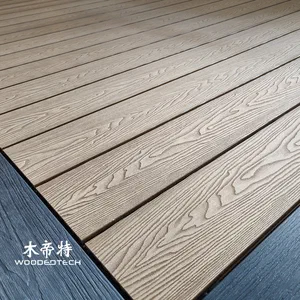 Eco-Friendly wpc deck eco Series for Sustainable Outdoor Living
Related Products
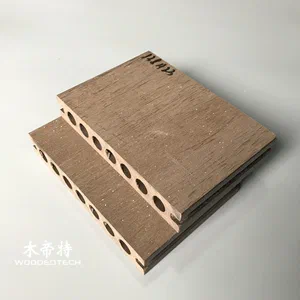 D13823 Round Hole Double Sided Flat WPC Bamboo Decking Boards With Strong Quality And Various Wood Grain Surface Treatments
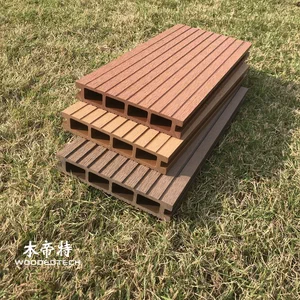 D14025-3 Square Hole Double Sided Grooved WPC Board Factory Producing Outdoor Decking Boards With Good Slip Resistance
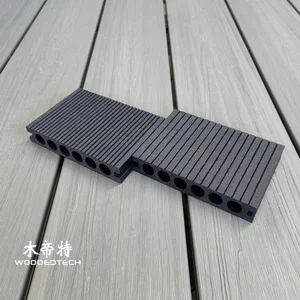 D14025-5 First Generation Large And Small Groove Ebony Color Composite Board With Low Profile Style And Dirt Resistant Outdoor Performance