
Plastic Lumber vs Wood Cost: Industrial Material Comparison 2026
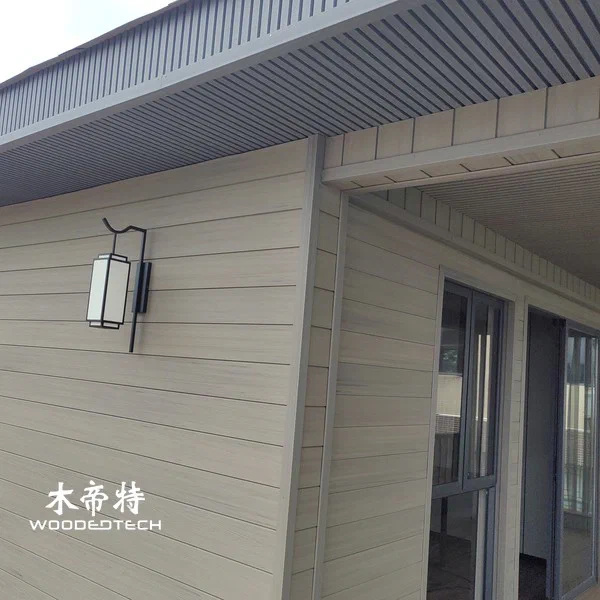
Plastic lumber and natural wood are often compared for outdoor construction projects where cost, durability, and maintenance requirements matter. This industrial material comparison explains how wood plastic composite decking performs against traditional timber, aluminum, and other exterior materials in long-term applications.
Material Comparison: Plastic Lumber vs Wood
Wood plastic composite (WPC) combines recycled plastic and wood fibers to create a weather-resistant alternative to traditional timber. Compared with natural wood, WPC offers better moisture resistance and does not absorb water easily, reducing risks such as rotting, cracking, and insect damage.
Traditional timber remains popular because of its natural appearance, strength, and easy availability. However, exterior wood requires regular protection, including staining, sealing, sanding, and replacement of damaged boards. Tropical hardwoods can provide long service life but usually come with higher purchase costs and stricter maintenance requirements.
Plastic lumber provides excellent resistance to humidity, UV exposure, and biological damage, but some products may have lower structural strength than high-grade timber or aluminum. Material selection depends on whether the project prioritizes appearance, load capacity, environmental conditions, or lifecycle value.
Cost and Lifecycle Performance
Initial prices vary by region, quality level, and installation method. Natural wood may have a lower upfront cost, especially for common softwoods, while premium hardwood can exceed the price of composite materials. WPC decking typically requires a higher initial investment than basic timber but reduces ongoing maintenance expenses.
Lifecycle costs are often more important for commercial and large-scale projects. Wood may require repeated coatings, repairs, and replacement of damaged components. WPC usually needs only regular cleaning with water and mild detergent, helping reduce labor costs over many years.
Compared with aluminum, WPC generally provides a warmer wood-like appearance and more comfortable surface temperature for outdoor areas. Aluminum has outstanding strength, fire resistance, and corrosion protection but often requires additional design treatments to achieve a natural look.
Advantages and Limitations of Exterior Materials
For outdoor applications, each material has different benefits:

- WPC: low maintenance, water resistant, wood appearance, resistant to insects and decay
- Natural wood: authentic texture, strong visual appeal, requires frequent care
- Aluminum: lightweight, highly durable, corrosion resistant, higher material processing cost
- Plastic lumber: moisture resistant, long lasting, may have limited structural applications
- Composite alternatives: balanced performance with various finishes and colors
For industrial buyers, WPC can be a practical choice for decking, fencing, wall cladding, and landscaping projects where consistent performance and reduced maintenance are important. Selecting a reliable supplier and suitable product specification is essential because density, surface treatment, and manufacturing quality directly affect service life.
FAQ
Q: Is plastic lumber cheaper than wood over the long term? A: Plastic lumber may cost more initially, but lower maintenance and longer service life can reduce total lifecycle expenses compared with untreated or frequently maintained wood.
Q: How long does WPC decking usually last outdoors? A: High-quality WPC decking can often provide decades of outdoor performance when properly installed and maintained.
Q: Which material is best for commercial exterior projects? A: The best choice depends on project requirements, including budget, climate, design goals, maintenance plans, and expected service life.
Related Articles
Related Products
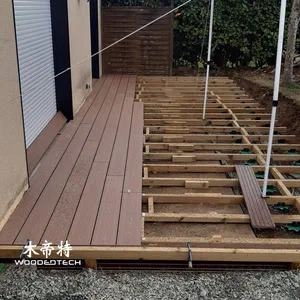
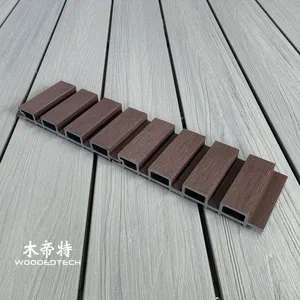
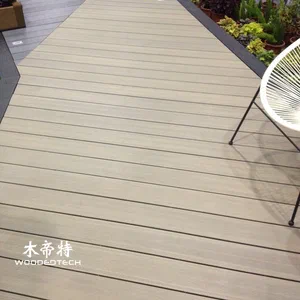
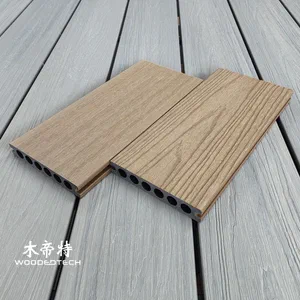 3DGD13823 Second Generation 3D Embossed Teak Decking Composite Material Features Ultra Realistic Wood Grain Texture for Elegant Outdoor Flooring
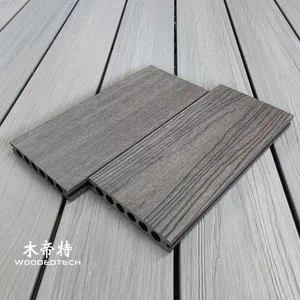 3DGD13823 Second Generation 3D Embossed Walnut WPC Decking Combines Ultra Realistic Wood Grain Texture with the Natural Beauty of Walnut for Outdoor Spaces
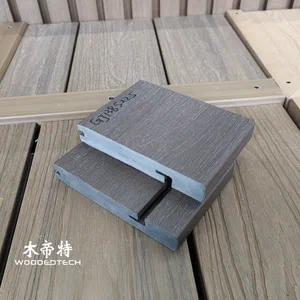 GD13822.5S Fully Capped Solid Starter Wood Polymer Composite Decking Provides a Stable Starting Structure for the First Decking Board