
Maximizing Outdoor Spaces: Installing Composite Decking on Top of Existing Deck in 2023
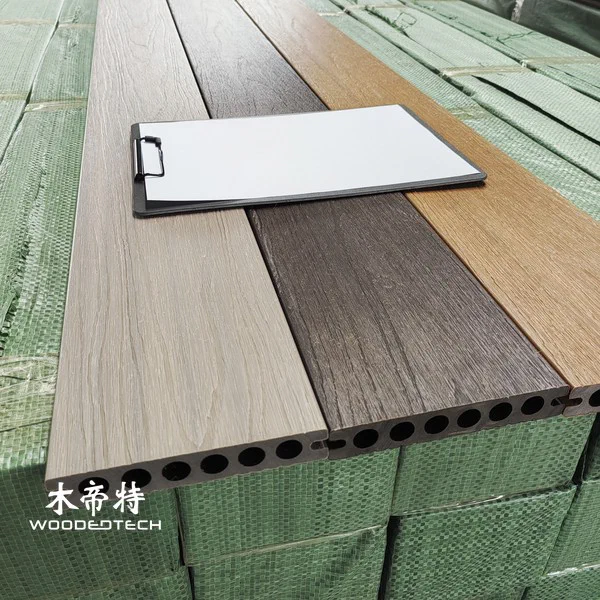
Installing composite decking on top of an existing deck is an effective way to enhance your outdoor space while maintaining structural integrity. This guide outlines the essential steps for a successful installation, including preparation, fixing methods, and maintenance tips.
Subframe Preparation
Before you begin, ensure the existing deck is in good condition. Inspect for any signs of rot, loose boards, or structural damage. If necessary, repair or replace compromised sections. Once the existing deck is sound, clean the surface thoroughly to remove dirt and debris. This will help ensure the new composite decking adheres properly and lasts longer.
Next, check for proper drainage. Ensure that water can flow off the deck without pooling, as standing water can damage both the existing framework and the new decking. If needed, add spacers or adjust the slope to promote adequate drainage.
Installation Process
Fixing Methods
Composite decking can be installed using various fixing methods. The most common techniques include:

- Screwing Down: Use stainless steel or coated screws specifically designed for composite materials. Space screws approximately 16 inches apart along the joists.
- Hidden Fasteners: This method provides a clean finish by concealing screws. Follow the manufacturer’s guidelines for spacing and installation.
Regardless of the method chosen, ensure each board is securely fastened to prevent movement or warping over time.
Expansion Gaps
Composite materials expand and contract with temperature changes. To accommodate this, leave an expansion gap of at least 1/4 inch between the ends of the boards and any fixed structures, such as walls or railings. This gap prevents buckling and warping in varying weather conditions.
Cutting Composite Decking
When it comes to cutting your composite boards, use a circular saw equipped with a fine-tooth blade designed for composite materials. Always wear safety goggles and a mask to protect against dust. For precise cuts, measure twice and cut once; this minimizes waste and ensures a better fit.
Edge Finishing
After cutting, sand the edges lightly to remove any splinters or rough spots. This not only improves the appearance but also prevents injury during handling.
Maintenance Tips
To keep your composite decking looking its best, regular maintenance is crucial. Here are some tips:
- Cleaning: Sweep the deck regularly to remove debris. For deeper cleaning, use a mild soap solution and a soft-bristle brush. Avoid harsh chemicals that could damage the surface.
- Stain Removal: Address spills immediately to prevent staining. Use a soft cloth or sponge and a mild detergent to clean up any messes.
- Inspection: Periodically inspect the deck for signs of wear or damage. Look for loose boards, signs of mold, or fading color. Address any issues promptly to extend the lifespan of your decking.
By following these steps, you can successfully install composite decking over an existing deck, transforming your outdoor space into a more functional and aesthetically pleasing area. Enjoy the benefits of low maintenance and durability that composite materials offer, making your outdoor experience more enjoyable for years to come.
Related Articles
 Essential Guide to Installing Wear Deck Composite Decking: Best Practices for 2023
 Best Practices for Installing Composite Decking on Stairs: A Comprehensive Guide for 2023
 Choosing the Best Screws for Composite Deck: A Comprehensive Guide for 2023
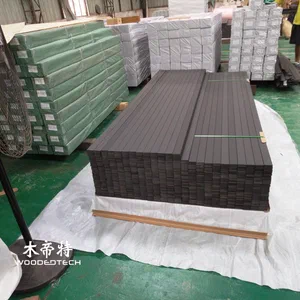 Innovative Solutions: Installing Composite Decking on Existing Decks in 2023
Related Products
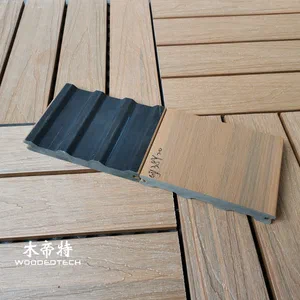 GD13820 M Shape Co Extruded Composite Deck Planks Feature a Special Profile Design for Distinctive Outdoor Decking Applications
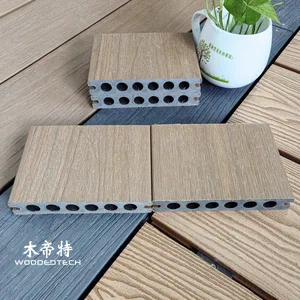 GD13823 Double Sided Flat Surface Co Extruded WPC Decking Features a Popular Width and Thickness with Round Hollow Structure
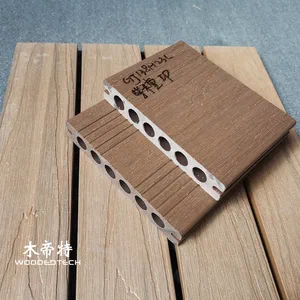 GD13823-3 Composite Boards for Decking Are Available in Multiple Stock Colors with 3 Meter Lengths and Single Piece Delivery