
Maximizing Longevity: The Importance of Composite Decking with Drainage Solutions in 2023
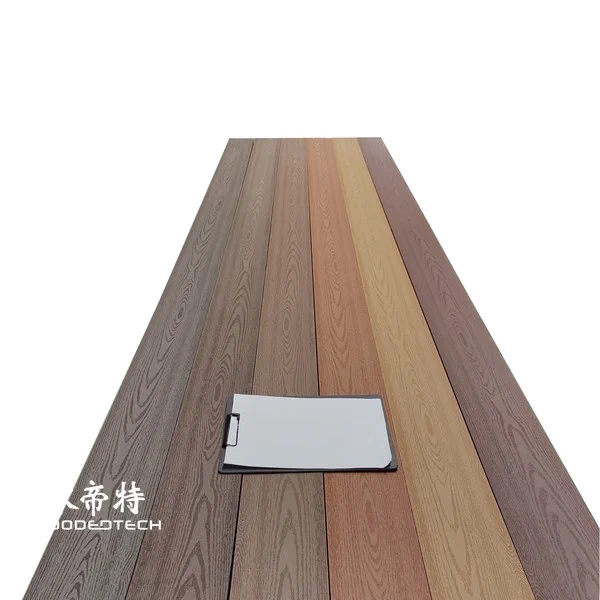
Outdoor wood-plastic composite (WPC) is gaining popularity as an eco-friendly alternative to traditional decking materials. Its unique blend of recycled materials and innovative manufacturing processes not only promotes sustainability but also offers durability and low maintenance, making it an attractive choice for outdoor projects.
Environmental Benefits
One of the primary reasons outdoor WPC is considered environmentally friendly is its use of recycled materials. WPC is typically made from a combination of recycled wood fibers and plastic, which reduces the demand for virgin timber. This practice helps minimize deforestation and conserves natural resources. By utilizing waste materials, WPC contributes to a circular economy, transforming materials that would otherwise end up in landfills into valuable building products.

Reduced Wood Consumption
Using WPC significantly reduces wood consumption compared to traditional wood decking. For every square foot of WPC produced, less timber is harvested from forests. This is crucial in combating deforestation and its associated environmental impacts, such as loss of biodiversity and habitat destruction. By choosing WPC, consumers can help protect forests while still enjoying the aesthetic appeal of wood-like materials.
Durability and Longevity
WPC is engineered for durability, making it resistant to rot, splintering, and insect damage. Unlike traditional wood, which requires regular maintenance and replacement, WPC can withstand harsh weather conditions without deteriorating. This longevity not only benefits the environment by reducing the frequency of replacements but also saves consumers money over the long term. With proper installation and care, WPC can last for decades, making it a wise investment for any outdoor space.
Low Maintenance Advantages
Another significant advantage of outdoor WPC is its low maintenance requirements. Unlike wood, which needs regular staining, sealing, and cleaning, WPC typically requires only occasional cleaning with soap and water to maintain its appearance. This low maintenance aspect not only saves time and labor but also reduces the need for harmful chemicals often used in the upkeep of traditional wood decking. As a result, WPC contributes to a healthier environment both during its production and throughout its lifecycle.
Conclusion
Outdoor WPC stands out as a sustainable choice for decking, combining recycled materials with reduced wood consumption. Its durability and low maintenance needs make it an environmentally friendly alternative to traditional materials, offering both aesthetic appeal and practicality. By opting for WPC, consumers can enjoy beautiful outdoor spaces while supporting eco-friendly practices and contributing to a sustainable future.
Related Articles
 The Advantages of Composite Flooring for Industrial Applications: A 2023 Overview
 Innovations in Composite Boards for Decks: Enhancing Durability and Sustainability in 2023
 Innovations in Polymer Wood Composite: Enhancing Durability and Sustainability in 2023
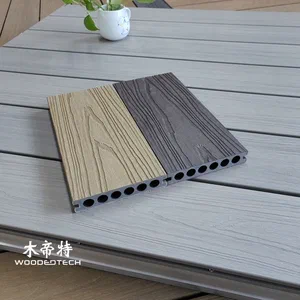 Exploring the Benefits of WPC Coffee: A Sustainable Solution for 2024
Related Products
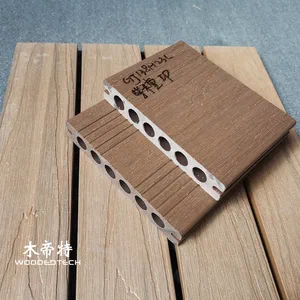 GD13823-3 Composite Boards for Decking Are Available in Multiple Stock Colors with 3 Meter Lengths and Single Piece Delivery
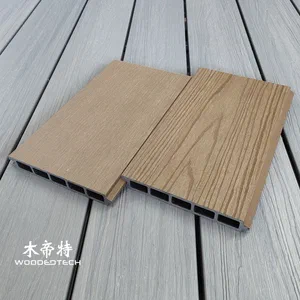 3DGL18024 WPC Longboard Fence Features Premium Co Extruded 3D Embossed Teak Wood Grain Texture with Realistic Natural Wood Fibers
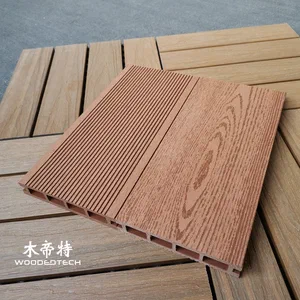 The Classic D14025-4 Red Wood WPC Wood Sheet Features a Timeless 2D Flat Wood Grain Design That Remains Popular After Twenty Years