
Innovations in Recycled Plastic Wood Lumber: Transforming Sustainable Construction in 2023
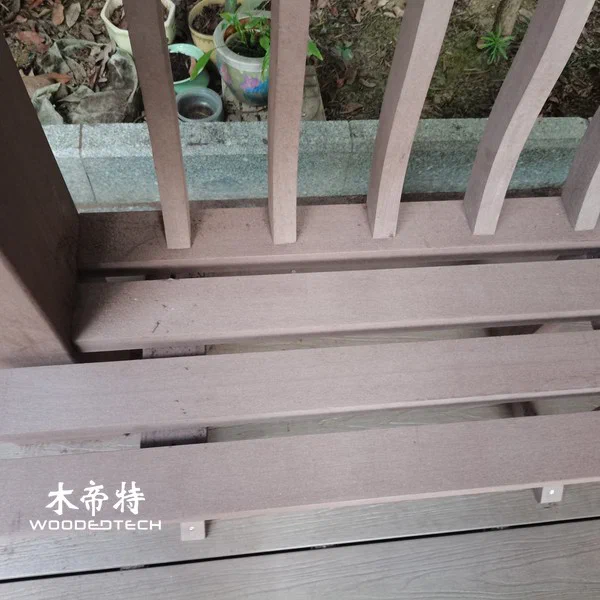
Outdoor wood-plastic composite (WPC) has gained traction as a sustainable building material, offering numerous environmental benefits. By combining recycled materials with innovative technology, WPC presents a viable alternative to traditional wood products, significantly reducing ecological impact while providing durability and low maintenance requirements.
Recycled Materials
One of the most compelling reasons to choose outdoor WPC is its composition. WPC is primarily made from recycled plastics and wood fibers, diverting waste from landfills. This recycling process not only conserves natural resources but also reduces the demand for virgin materials. By utilizing post-consumer and post-industrial waste, manufacturers can lower their carbon footprint and create a product that supports a circular economy.
Reduced Wood Consumption
The use of WPC in construction helps mitigate the pressure on forests and wood resources. Traditional lumber production is often associated with deforestation and habitat destruction. By substituting a significant portion of wood with recycled plastics, WPC minimizes the amount of timber needed. This shift not only preserves tree populations but also contributes to biodiversity conservation and helps combat climate change.

Durability
WPC is engineered to withstand the elements, making it a long-lasting option for outdoor applications. Unlike traditional wood, which can warp, rot, or become infested with pests, WPC is resistant to moisture, insects, and fungi. This durability translates to fewer replacements and repairs over time, resulting in lower material consumption and waste generation. As a result, WPC offers a sustainable solution that stands the test of time.
Low Maintenance Advantages
Another significant advantage of outdoor WPC is its low maintenance requirements. Unlike traditional wood, which often requires staining, sealing, and regular upkeep, WPC can be easily cleaned with soap and water. This ease of maintenance not only saves time and labor but also reduces the need for chemical treatments that can be harmful to the environment. Homeowners and businesses can enjoy the aesthetic appeal of wood without the associated upkeep.
Conclusion
As the construction industry shifts towards sustainability, outdoor WPC stands out as an innovative solution that combines recycled materials, reduced wood consumption, durability, and low maintenance. By choosing WPC, builders and consumers contribute to a more sustainable future while enjoying high-performance materials that meet their needs.
Related Articles
 WPC Company Inc: Leading Innovations in Sustainable Material Solutions for 2023
 Exploring the Benefits of Synthetic Wood Ceiling Solutions for Commercial Spaces in 2023
 Leveraging Artificial Wood: Innovations and Benefits for the Industrial Sector in 2023
 The Advantages of Composite Flooring for Industrial Applications: A 2023 Overview
Related Products
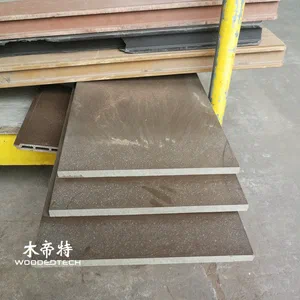 B30014 Plastic Wood 4x8 Sheets Provide Wide Thin Boards for Large Outdoor Display and Surface Applications
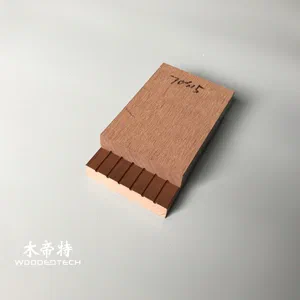 B7015 HDPE Wood Composite Boards Are Commonly Used for Small Outdoor Garden Fence and Decorative Projects
 F4030 wpc exterior solid decorative square strips provide versatile outdoor decoration and landscaping solutions