
Essential Considerations for Selecting WPC Fluted Panels in Industrial Applications
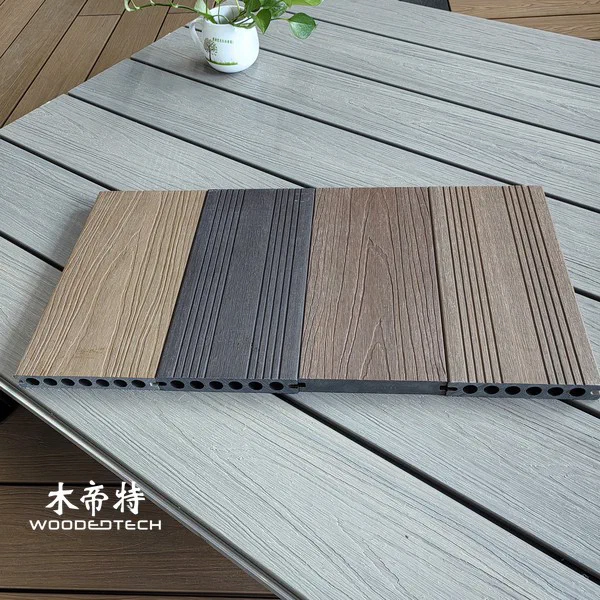
Selecting the right wood plastic composite (WPC) fluted panels for industrial applications requires careful consideration of the materials involved. Key components such as wood powder, HDPE/PVC polymers, additives, pigments, and modifiers play crucial roles in determining the durability, weather resistance, and overall performance of the final product. Understanding these materials and implementing rigorous quality control measures is essential for ensuring high-quality WPC panels.
Material Components

Wood powder serves as the primary filler in WPC formulations. The type and quality of wood powder significantly influence the mechanical properties of the composite. Fine wood powder can enhance the tensile strength and impact resistance, while coarser particles may lead to a more textured surface, affecting aesthetics and slip resistance. Selecting high-quality, uniform wood powder minimizes inconsistencies that could compromise durability.
HDPE and PVC polymers form the matrix that binds the wood fibers. HDPE is known for its excellent weather resistance and flexibility, making it suitable for outdoor applications. Conversely, PVC offers superior rigidity and resistance to moisture but may be less flexible than HDPE. The choice between these polymers depends on the specific requirements of the application, including exposure to UV rays, moisture, and temperature variations.
Additives and modifiers enhance the performance of WPCs. Common additives include UV stabilizers, which help protect the panels from sun damage, and flame retardants, which improve safety in case of fire. Modifiers can also be added to enhance properties such as impact resistance and thermal stability. It is crucial to ensure that these additives are compatible with the base polymers to maintain product integrity.
Pigments provide color and can affect the surface finish and UV resistance of the panels. High-quality pigments ensure vibrant colors that resist fading over time. However, it is important to select pigments that do not interfere with the mechanical properties of the composite. Careful testing during the formulation stage can help identify the right balance between aesthetics and performance.
Quality Control Measures
Implementing effective quality control measures during production is vital for achieving consistent product quality. Regular inspection of raw materials is the first step in this process. Here are several practical factory inspection methods:
- Visual Inspection: Examine wood powder and polymers for consistency in color and particle size. This can help identify any impurities or variations that may affect the final product.
- Moisture Content Testing: Measuring the moisture content of wood powder is essential, as excessive moisture can lead to weak bonding and reduced durability in the final composite.
- Mechanical Property Testing: Conduct tensile and flexural tests on samples to ensure they meet specified strength requirements. This testing is crucial for determining the suitability of the WPC for various applications.
- Weather Resistance Testing: Use accelerated weathering tests to simulate long-term outdoor exposure. This helps assess the performance of pigments and additives under UV light and moisture.
- Dimensional Stability Testing: Evaluate the dimensional changes of WPC panels under varying temperature and humidity conditions. This testing is critical for ensuring that the panels maintain their shape and functionality in a range of environments.
Compliance with Standards
Adhering to industry standards is essential for ensuring product reliability. WPC products should comply with relevant international standards, such as ASTM D7032 for the performance of wood-plastic composites. This standard outlines testing methods for mechanical properties, durability, and resistance to environmental factors.
Additionally, manufacturers should consider certifications such as ISO 9001 for quality management systems and ISO 14001 for environmental management. These certifications demonstrate a commitment to maintaining high-quality production processes and minimizing environmental impact.
The selection of wood plastic composite fluted panels for industrial use is a complex process influenced by various material components and quality assurance practices. By understanding the roles of wood powder, polymers, additives, pigments, and modifiers, manufacturers can create durable and weather-resistant products suitable for outdoor applications. Implementing rigorous quality control measures and adhering to industry standards further ensures that these WPC panels meet the demands of the market.
Related Articles
 Essential Considerations for Choosing WPC Panel with UV Sheet for Industrial Applications
 WPC Plywood for Outdoor Building Panels Furniture Components and Custom Architectural Applications
 WPC Panel Cost Depends on Product Dimensions Material Quality and Custom Manufacturing Options
 A Comprehensive Guide on How to Install WPC Fluted Wall Panel in 2023
Related Products
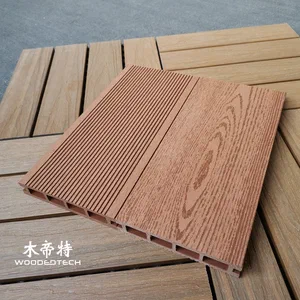 The Classic D14025-4 Red Wood WPC Wood Sheet Features a Timeless 2D Flat Wood Grain Design That Remains Popular After Twenty Years
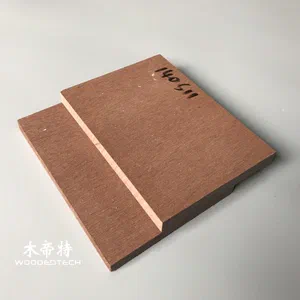 B14011 WPC Paneling Sheets Feature Double Flat Surfaces with Heat Pressed Wood Grain Designs for Outdoor Styles
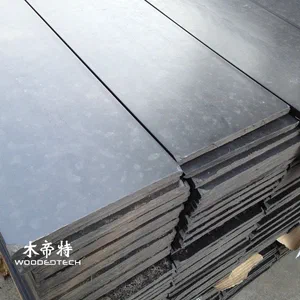 B17010 Plastic Wood Look Siding Provides Decorative Thin Boards for Modern Outdoor Wall Applications