
deck composite materials: Industrial Trends and Applications 2026
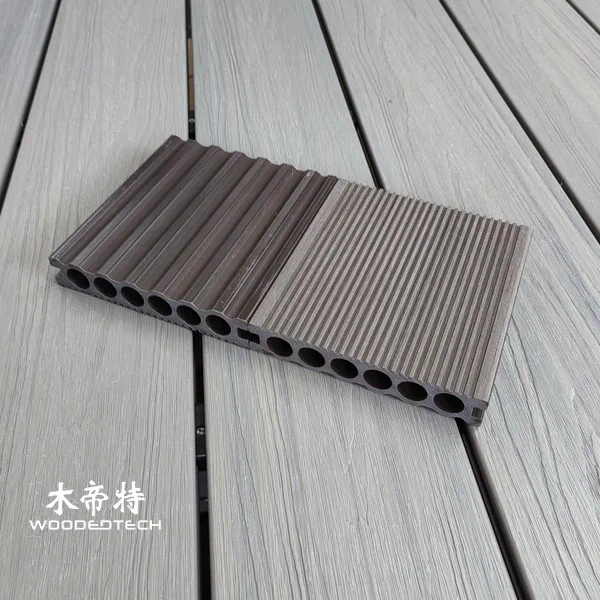
Deck composite materials are becoming a key solution for modern outdoor construction, combining durability, low maintenance, and design flexibility. In 2026, global demand is expanding across residential, commercial, and landscape projects as buyers look for sustainable alternatives to traditional wood.
Global market trends shaping composite outdoor materials
The outdoor building materials industry is moving toward high-performance products that offer longer service life and lower maintenance costs. Composite decking, wood plastic composite decking, and related landscape products are gaining market share because they resist moisture, insects, cracking, and color fading better than conventional timber.
Several trends are influencing purchasing decisions worldwide:
- Increased demand for sustainable composite building products using recycled materials
- Growing preference for weather-resistant outdoor solutions in residential landscaping
- Rising adoption of co-extrusion technology for improved surface protection
- More interest in customized colors, textures, and architectural profiles
In North America, Europe, Australia, and emerging urban markets, homeowners and developers are investing in outdoor living spaces, including terraces, balconies, gardens, and commercial leisure areas. This growth is creating opportunities for suppliers that can provide reliable composite materials with consistent quality.
Expanding applications beyond traditional decking
The future of composite materials extends far beyond deck boards. WPC wall cladding is becoming popular for exterior facades, decorative walls, and commercial buildings because it delivers a natural wood appearance with improved durability. Designers are also using composite fencing, pergolas, louvers, and landscape products to create complete outdoor environments.
Key application areas include:

- Composite decking for residential patios, pool areas, and public spaces
- WPC wall cladding for exterior decoration and facade systems
- Composite fencing for privacy, security, and landscape design
- Composite pergolas and gazebos for outdoor comfort solutions
- Composite benches, planters, and decorative structures for urban landscaping
Manufacturers that develop integrated product ranges can better serve architects, contractors, and distributors seeking complete outdoor solutions.
Future opportunities for global suppliers
The composite materials market is expected to focus on product innovation, customization, and efficient manufacturing. Buyers increasingly require stable supply chains, OEM capabilities, and products that meet regional climate requirements.
Opportunities include developing advanced capped composite decking, lightweight WPC profiles, fire-resistant solutions, and custom extrusion designs. Suppliers that combine material technology with flexible production capabilities can compete in international markets where quality standards continue to rise.
Digital purchasing channels are also changing how overseas buyers source outdoor building materials. Manufacturers with strong technical support, clear product specifications, and export experience can build long-term partnerships with distributors and construction companies.
FAQ
Q: Why are composite materials replacing traditional wood in outdoor projects? A: Composite materials provide better resistance to moisture, insects, and weather damage while requiring less maintenance than natural wood.
Q: What are the main applications of WPC products in 2026? A: WPC products are widely used for decking, wall cladding, fencing, pergolas, landscaping structures, and outdoor furniture.
Q: What opportunities exist for composite material manufacturers? A: Manufacturers can expand through customized products, sustainable materials, OEM services, and solutions designed for different regional markets.
Related Articles
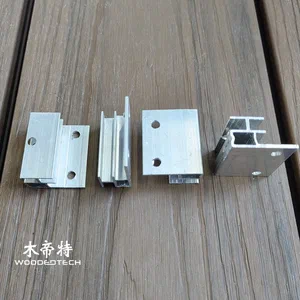 Composite Deck Designs: Industrial Trends, Materials, and Applications
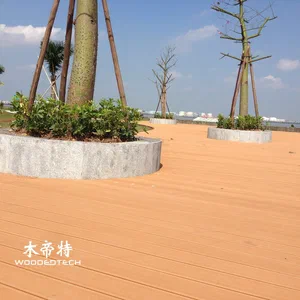 Wood Polymer Composite: Industrial Applications, Benefits and Market Trends
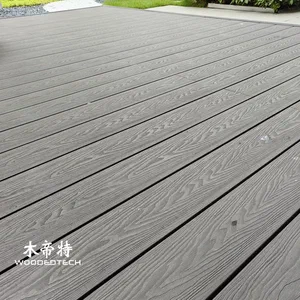 WPC Deck Installation for Creating Durable Outdoor Decking Areas in Gardens Patios and Commercial Spaces
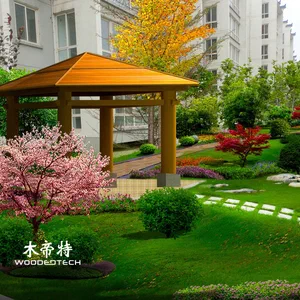 5m Long Composite Decking Boards Reduce Installation Joints for Spacious Outdoor Deck Areas
Related Products
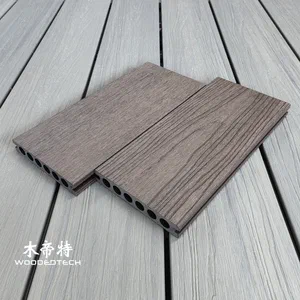 3DGD13823 Second Generation 3D Embossed Rosewood Composite Balcony Decking Delivers Ultra Realistic Wood Grain Texture and a Premium Natural Wood Experience
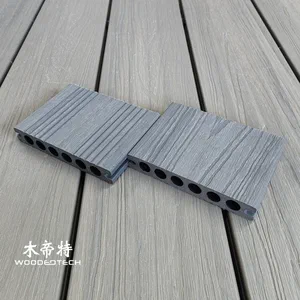 GD13823-3 Light Grey Premium Co Extrusion WPC Composite Decking Offers LG Texture and Excellent UV Resistance for Outdoor Spaces
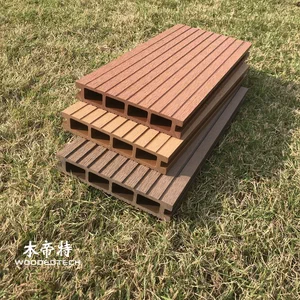 D14025-3 Square Hole Double Sided Grooved WPC Board Factory Producing Outdoor Decking Boards With Good Slip Resistance