
Composite Planks For Decks
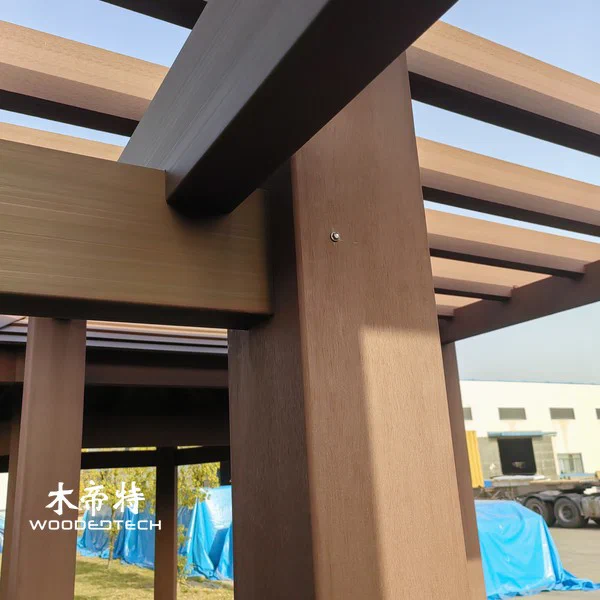
Designing high-performance outdoor wood plastic composite formulas for applications like decking, wall cladding, and fencing requires a careful balance of various materials and additives. The key factors in this process include the ratio of wood fiber to plastic, the selection of additives, cost control, and ensuring product longevity.
Wood Fiber and Plastic Ratio
The balance between wood fiber and plastic plays a crucial role in determining the mechanical properties and durability of composite planks. Generally, a higher wood fiber content enhances the natural appearance and texture of the product, providing an authentic wood-like feel. However, increasing wood fiber also raises the risk of moisture absorption, which can lead to swelling and warping.
Typically, a ratio of 60% wood fiber to 40% plastic is considered optimal for outdoor applications. This combination offers a good balance of strength, weight, and flexibility. On the other hand, a higher plastic content can improve moisture resistance and overall durability, making it suitable for environments with high humidity or rainfall.
Additives and Their Functions
Incorporating various additives is essential for enhancing the performance characteristics of wood plastic composites. These additives can include:
- UV stabilizers: Protect against discoloration and degradation from sunlight exposure.
- Antioxidants: Prevent the breakdown of plastics due to oxidation.
- Fire retardants: Improve the material’s resistance to ignition and flames.
- Colorants: Provide aesthetic options while ensuring uniform coloration.
Choosing the right additives will enhance durability, weather resistance, and visual appeal, contributing to a longer product lifespan.

Cost Control
Cost is always a consideration in product development. Balancing quality with affordability is essential for market competitiveness. One strategy is to source raw materials locally, which can reduce shipping and transportation costs. Additionally, using recycled wood fibers or plastics can lower material costs while also promoting sustainability.
Another approach is to optimize the manufacturing process, such as using co-extrusion techniques. This method allows for the application of a protective layer of plastic over the wood composite core, enhancing durability without significantly increasing production costs.
Product Lifespan
The longevity of composite products is influenced by their formulation. A well-designed formula should resist fading, warping, and cracking over time. High-quality WPCs can last 25 years or more with minimal maintenance. To achieve this, manufacturers must focus on:
- Selecting high-grade wood fibers that are less prone to decay.
- Using premium plastics that offer better resilience against environmental factors.
- Implementing thorough quality control measures during production to ensure consistency and performance.
By focusing on these aspects, manufacturers can design composite planks that not only meet customer expectations but also stand the test of time.
Related Articles
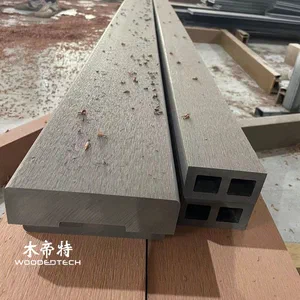
Related Products
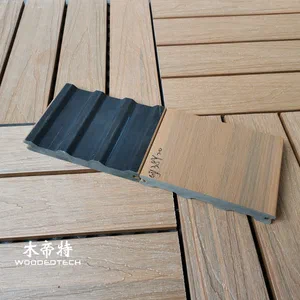 GD13820 M Shape Co Extruded Composite Deck Planks Feature a Special Profile Design for Distinctive Outdoor Decking Applications
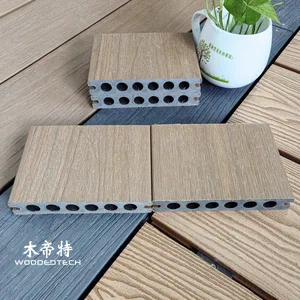 GD13823 Double Sided Flat Surface Co Extruded WPC Decking Features a Popular Width and Thickness with Round Hollow Structure
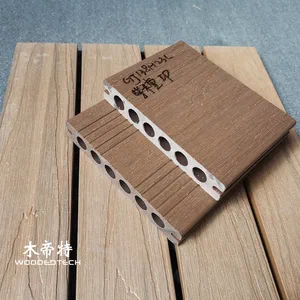 GD13823-3 Composite Boards for Decking Are Available in Multiple Stock Colors with 3 Meter Lengths and Single Piece Delivery