
Composite Decking With Grip
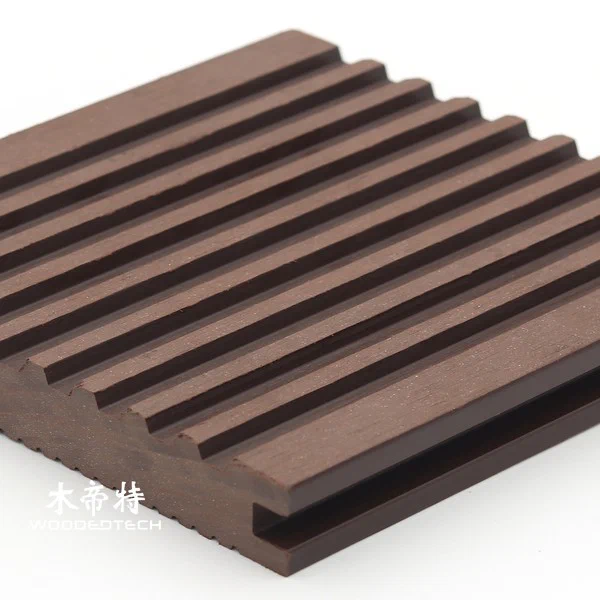
Designing high-performance outdoor wood plastic composites (WPC) for applications such as decking, wall cladding, fencing, pergolas, and landscape products involves a careful balance of various components. This balance is especially crucial for achieving optimal durability, aesthetics, and cost-effectiveness while ensuring the final product meets the demands of outdoor environments.
Wood Fiber Content and Plastic Ratio
The foundation of WPC formulations lies in the ratio of wood fiber to plastic. Typically, a higher wood fiber content enhances the composite’s natural appearance and provides better insulation properties. However, excessive fiber can lead to reduced mechanical strength and moisture absorption. A common ratio for outdoor applications is around 60% wood fiber to 40% plastic. This blend not only maintains structural integrity but also offers a wood-like appearance.
The choice of plastic is equally important. Polyethylene and polypropylene are popular due to their balance of cost, UV resistance, and compatibility with wood fibers. High-density polyethylene (HDPE) is often favored for decking due to its enhanced durability against wear and weathering.
Additives for Performance
Incorporating additives can significantly enhance the properties of WPC products. Common additives include:
- UV stabilizers to prevent degradation from sunlight.
- Antioxidants to improve longevity.
- Fire retardants to enhance safety.
- Colorants and pigments for aesthetic appeal.
- Anti-slip agents to ensure safety, especially in wet conditions.
These additives work together to ensure the composite not only looks good but also performs well over time.
Cost Control

While striving for high performance, managing costs is crucial for market competitiveness. Opting for locally sourced materials can reduce transportation costs and align with sustainability goals. Additionally, optimizing the manufacturing process can lower production costs without compromising quality. For instance, processes like co-extrusion allow for the creation of a protective outer layer that enhances durability while using less material.
Product Lifespan
The lifespan of WPC products is a key selling point. High-quality formulations resist warping, fading, and cracking, providing a longer life compared to traditional wood. Manufacturers can enhance product lifespan by focusing on:
- Quality control during production to ensure consistent material properties.
- Testing for weather resistance and wear to predict performance in real-world conditions.
- Offering warranties that reflect the expected lifespan, which can build consumer trust and encourage purchasing decisions.
Applications and Market Trends
The versatility of WPC makes it suitable for a wide range of applications. For decking, anti-slip features are particularly important to ensure safety. Wall cladding and fencing options can be designed to blend seamlessly into outdoor environments while providing durability and low maintenance. Pergolas and landscape products benefit from the material’s resistance to rot, making them ideal for long-term outdoor use.
Current trends also indicate a growing consumer demand for eco-friendly products. WPC formulations can incorporate recycled materials, appealing to environmentally conscious buyers and enhancing brand reputation.
By carefully balancing wood fiber content, plastic ratios, additives, cost control measures, and product lifespan considerations, manufacturers can create high-performance WPC products that meet the diverse needs of the market. Such strategic formulation development not only enhances product quality but also positions brands favorably in a competitive landscape.
Related Articles
 Composite Decking 5 Metre Lengths Provide Seamless Installation Options for Large Outdoor Areas
 Innovative Composite for Decks: Enhancing Durability and Aesthetics in 2023
 Maximizing ROI with Lifetime Composite Decks: The Future of Durable Outdoor Solutions
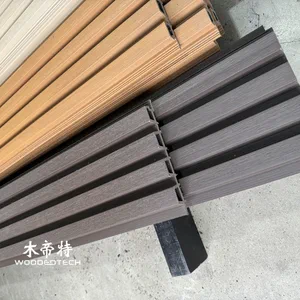 Choosing Composite Decking Gray: A Comprehensive Guide for Industrial Applications in 2023
Related Products
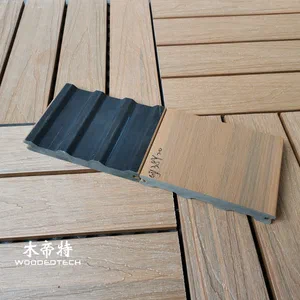 GD13820 M Shape Co Extruded Composite Deck Planks Feature a Special Profile Design for Distinctive Outdoor Decking Applications
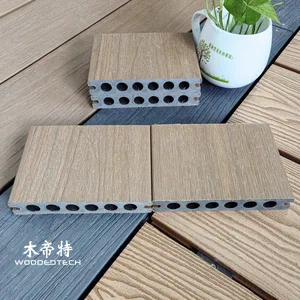 GD13823 Double Sided Flat Surface Co Extruded WPC Decking Features a Popular Width and Thickness with Round Hollow Structure
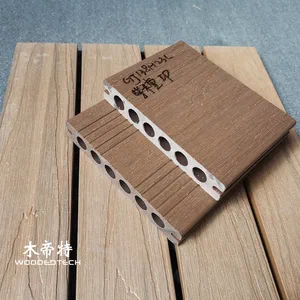 GD13823-3 Composite Boards for Decking Are Available in Multiple Stock Colors with 3 Meter Lengths and Single Piece Delivery