
Composite Decking vs Wood Decking Cost: A B2B Pricing Analysis
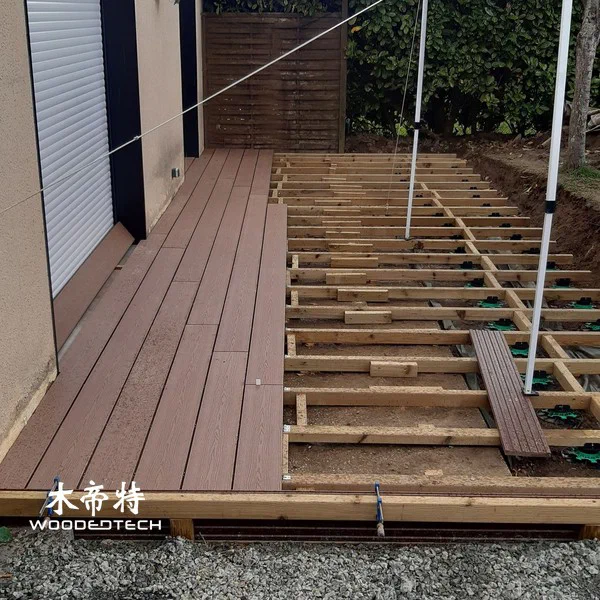
Composite decking typically has a higher upfront material cost than standard wood decking, but B2B buyers should compare total installed cost rather than board price alone. Labor, maintenance, replacement cycles, site conditions, and expected service life can materially change the long-term economics.
Upfront Cost: Composite vs Wood
For commercial and multi-project purchasing, wood decking generally offers a lower initial material price, especially with common softwoods. Pressure-treated timber is often the entry-level option, while cedar, redwood, and hardwood species can cost substantially more. Composite decking, including wood plastic composite (WPC), usually carries a higher purchase price because of its engineered formulation, surface treatment, and manufacturing process.
However, a direct price comparison can be misleading. Buyers should request quotations based on the complete decking system, including boards, joists or substructure, fasteners, clips, edge components, shipping, and installation requirements. For large orders, volume pricing, container utilization, packaging, and product specifications can also significantly affect the landed cost.
Maintenance and Lifecycle Cost
Wood requires periodic maintenance to preserve appearance and performance. Depending on the species and climate, exterior timber may need cleaning, staining, sealing, sanding, or replacement of damaged boards. Moisture, insects, fungal decay, UV exposure, and temperature changes can increase maintenance requirements.
Composite decking generally requires routine cleaning rather than regular staining or sealing. Its resistance to moisture, insects, and common outdoor deterioration can reduce recurring maintenance labor. Capped and co-extrusion decking can provide additional surface protection, although buyers should evaluate the manufacturer’s warranty, formulation, installation requirements, and test data rather than assuming all composite products perform identically.
Aluminum decking can offer excellent durability and low maintenance, but its initial cost and thermal characteristics may make it more suitable for particular commercial or architectural applications. Traditional timber remains attractive where natural appearance, repairability, and initial budget are priorities.
How B2B Buyers Should Calculate Cost
A useful purchasing model separates initial investment from recurring expenses:
- Material and accessory cost
- Freight and import-related charges
- Installation labor
- Substructure requirements
- Cleaning and maintenance
- Repair and replacement allowance
- Expected service period
- Warranty coverage

For example, a lower-cost timber board may become less economical if a project requires frequent refinishing and labor-intensive maintenance. Conversely, premium composite decking may not deliver the expected value if the project specification does not require its durability characteristics or if installation costs are significantly higher.
For distributors, contractors, developers, and OEM buyers, the most meaningful comparison is therefore lifecycle cost per usable year or per square meter over the planned project period. Requesting comparable technical specifications and landed quotations from suppliers helps prevent a low unit price from masking higher downstream costs.
FAQ
Q: Is composite decking more expensive than wood decking? A: Composite decking usually has a higher upfront material cost, while wood often has lower initial pricing. Lifecycle maintenance can narrow the difference.
Q: What should B2B buyers include in a decking cost comparison? A: Compare materials, accessories, freight, installation, maintenance, replacement requirements, warranties, and expected service life.
Q: Is WPC decking cheaper over its lifetime? A: It can be, particularly where reduced staining, sealing, repair, and replacement requirements lower recurring maintenance costs.
Related Articles
 Composite Decking Cost Varies Based on Material Structure Surface Design and Installation Requirements
 plastic wood flooring cost depends on material structure surface design and project requirements
 Plastic Lumber vs Wood Cost: Industrial Material Comparison 2026
 What Is The Difference Between Composite Deck Vs Wood Cost For Buyers
Related Products
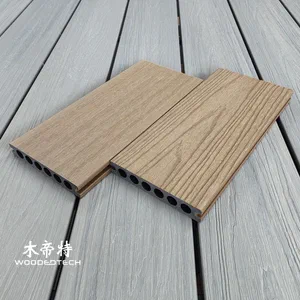 3DGD13823 Second Generation 3D Embossed Teak Decking Composite Material Features Ultra Realistic Wood Grain Texture for Elegant Outdoor Flooring
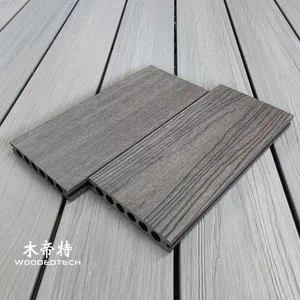 3DGD13823 Second Generation 3D Embossed Walnut WPC Decking Combines Ultra Realistic Wood Grain Texture with the Natural Beauty of Walnut for Outdoor Spaces
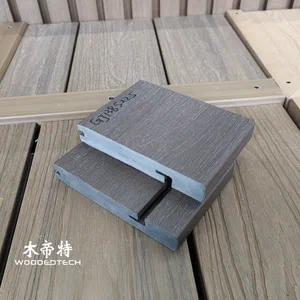 GD13822.5S Fully Capped Solid Starter Wood Polymer Composite Decking Provides a Stable Starting Structure for the First Decking Board