
Composite Decking Spacers: Installation Standards and Buying Criteria

Composite decking spacers are essential components for achieving accurate board alignment, proper ventilation, and long-term stability in WPC decking installations. Choosing the right spacer system helps maintain consistent gaps, reduce installation errors, and improve the durability of outdoor composite deck structures.
Why Composite Decking Spacers Matter
During a WPC decking installation, expansion and contraction caused by temperature changes must be considered. Composite decking spacers create uniform gaps between boards, allowing airflow and water drainage while preventing boards from pressing against each other.
Professional installers use spacers together with suitable clips, screws, and subframes to maintain a stable decking surface. The correct spacing also improves the appearance of the finished deck by creating straight, evenly distributed lines across the entire installation area.
Installation Standards for Composite Decking Spacers
Before installing spacers, prepare a strong and level subframe. The joists should be evenly positioned according to the decking board specifications, with sufficient support around edges, corners, and high-load areas.
A typical installation process includes:
- Check that the WPC decking boards are clean, straight, and free from damage before fixing.
- Install starter clips or edge fasteners at the beginning of the deck layout.
- Place spacers between each composite deck board to maintain consistent side gaps.
- Fix boards securely with hidden clips or approved screws through the fixing channels.
- Keep end-to-end expansion gaps between boards to allow movement during seasonal temperature changes.
- Check alignment regularly during installation to prevent gradual spacing errors.
For most outdoor WPC decking systems, spacing requirements depend on board size, climate conditions, and manufacturer recommendations. Areas with large temperature variations generally require larger expansion allowances.
Buying Criteria for Decking Spacers
When selecting composite decking spacers, buyers should consider compatibility, durability, and installation efficiency. High-quality spacers are usually made from corrosion-resistant materials such as reinforced plastic or stainless steel components.
Important factors include:
- Size accuracy: Precise dimensions ensure consistent gaps between boards.
- Material strength: Spacers should resist pressure and weather exposure.
- System compatibility: The spacer design should match the decking clips and fixing method.
- Installation convenience: Easy positioning helps reduce labor time on large projects.
For commercial applications or bulk projects, purchasing spacers as part of a complete wood plastic composite decking system can simplify installation and improve overall performance.
Maintenance Tips After Installation
Although composite decking requires less maintenance than natural timber, regular inspection helps extend service life. Check that boards remain properly aligned and that gaps are not blocked by leaves, dirt, or debris.
Clean the deck surface periodically with mild soap and water. Avoid allowing standing water to remain around fixing points, and inspect fasteners and spacers after extreme weather conditions to ensure the structure remains secure.

FAQ
Q: What gap should be left between composite decking boards? A: The recommended gap depends on board dimensions, temperature conditions, and manufacturer guidelines. Most installations require consistent side and end gaps for expansion and drainage.
Q: Are composite decking spacers necessary for DIY installation? A: Yes. Spacers help DIY installers achieve professional-looking board alignment and prevent uneven gaps that may affect deck performance.
Q: Can the same spacers be used for decking and wall cladding? A: Some fixing systems are designed for both applications, but decking and cladding usually require different spacing and support methods.
Related Articles
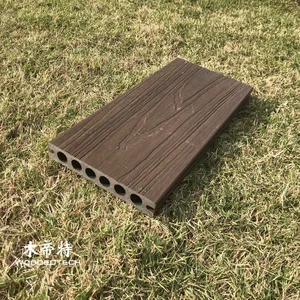 How to Cut Composite Deck Boards: Industrial Guide for 2026
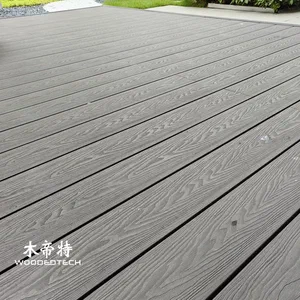 WPC Deck Installation for Creating Durable Outdoor Decking Areas in Gardens Patios and Commercial Spaces
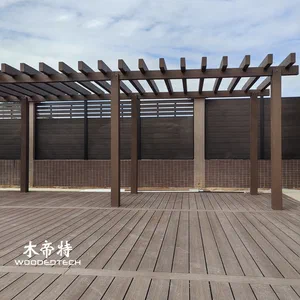 Composite Decking and Installation Provide Complete Solutions for Building Durable Outdoor Floors
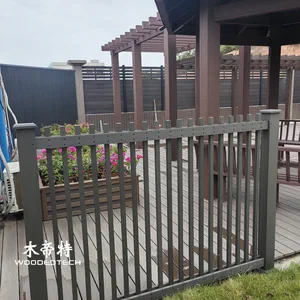 Composite decking spacing guidelines ensure proper installation and long term outdoor performance
Related Products
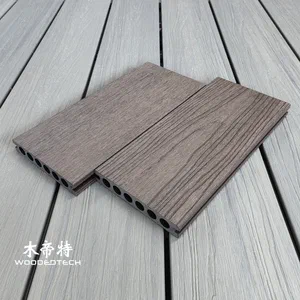 3DGD13823 Second Generation 3D Embossed Rosewood Composite Balcony Decking Delivers Ultra Realistic Wood Grain Texture and a Premium Natural Wood Experience
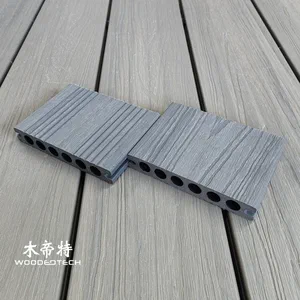 GD13823-3 Light Grey Premium Co Extrusion WPC Composite Decking Offers LG Texture and Excellent UV Resistance for Outdoor Spaces
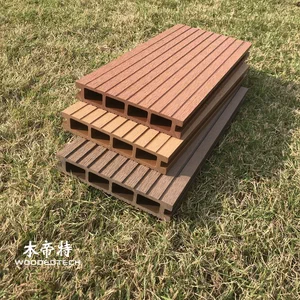 D14025-3 Square Hole Double Sided Grooved WPC Board Factory Producing Outdoor Decking Boards With Good Slip Resistance