
Composite Decking Rails: Key Considerations for Industrial Projects
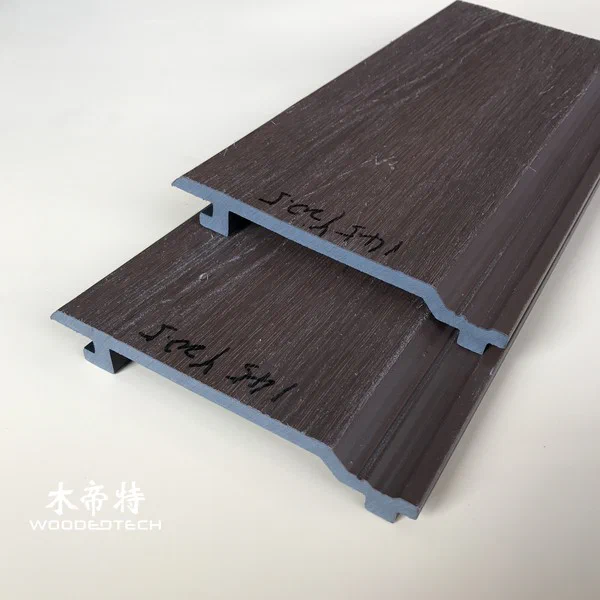
Composite decking rails for industrial projects need to balance structural performance, weather resistance, safety, and long-term maintenance. WPC railing systems can support practical applications across commercial landscapes, hotels, public facilities, balconies, pool areas, parks, and large outdoor developments when the design is matched to site conditions.
Key Considerations for Industrial Projects
For industrial and commercial applications, start with the load requirements, installation environment, and expected service life. A composite railing should be selected as a complete system rather than as an isolated decorative component. Posts, rails, connectors, fasteners, brackets, and supporting structures should be compatible and engineered for the intended loads.
For exposed sites, consider UV exposure, rainfall, humidity, temperature changes, wind, and surface moisture. Co-extrusion or capped WPC products can provide an additional protective layer against moisture, staining, and weathering. In areas where users may walk barefoot, such as pool surroundings and balconies, specify surfaces with suitable slip and barefoot-contact characteristics.
Outdoor WPC products are suitable for many project environments. In residential gardens, composite decking, garden fencing, pergolas, planters, and railing can create coordinated outdoor spaces with lower routine maintenance than traditional timber. For commercial landscapes, WPC decking, benches, screens, fencing, and composite railing can define pedestrian areas and seating zones while maintaining a consistent architectural appearance.

Applications Across Public and Hospitality Projects
Hotels can use composite decking and railing around terraces, balconies, pool decks, outdoor dining areas, entrances, and landscaped leisure spaces. For swimming pool areas, select water-resistant decking systems with appropriate drainage, secure fixing, and slip-resistant performance. Parks and public facilities can use WPC for walkways, viewing platforms, seating areas, guardrails, boundary fencing, and recreational spaces where frequent public use makes durability and maintenance important.
Balcony projects require particular attention to fixing points, wind loads, drainage, and the relationship between the WPC railing and the building structure. Public facilities should also consider accessibility, pedestrian safety, local building codes, fire requirements where applicable, and vandal-resistance requirements before finalizing the specification.
Professional Specification Suggestions
For an industrial project, provide the manufacturer with drawings, dimensions, installation conditions, required colors, expected loads, and local environmental conditions. Request technical data covering material composition, dimensions, mechanical properties, UV and weather resistance, recommended spans, fastening methods, expansion allowances, and maintenance requirements.
A practical specification should also define how the railing connects to concrete, steel, timber, or composite decking. Proper substructure design and thermal expansion allowances are essential because WPC responds to temperature changes differently from many structural materials. Where the railing has a safety-critical function, the supporting structure and connection details should be reviewed by the responsible project engineer and verified against applicable local standards.
FAQ
Q: Can WPC railing be used for commercial projects? A: Yes. It can be used for suitable commercial applications when the complete system is designed and specified for the required loads and environmental conditions.
Q: Is composite railing suitable around swimming pools? A: WPC railing can be suitable around pools, provided the selected system has appropriate moisture resistance, fixing, drainage, and safety characteristics.
Q: What information should buyers provide to a WPC manufacturer? A: Provide project drawings, dimensions, application location, expected loads, climate conditions, preferred appearance, installation method, and applicable local requirements.
Related Articles
 best composite railing Solutions for Industrial Projects in 2026
 Composite Railing Kit Selection Guide for Industrial Projects
 Composite Balustrade for Safe and Attractive Outdoor Stairs Balconies Decks and Garden Areas
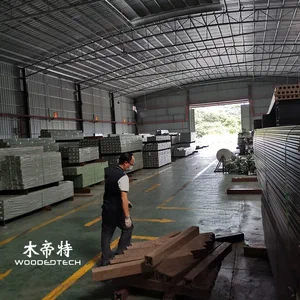 Composite Decking Handrail Completes Outdoor Deck Safety and Design Requirements
Related Products
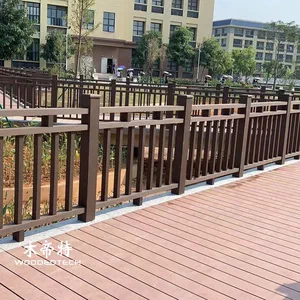 10' composite deck railing allows customized styles and dimensions for various landscape and building projects
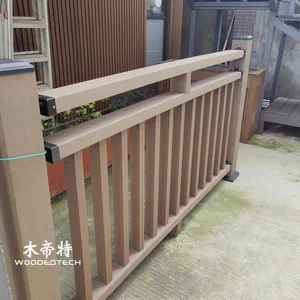 Composite deck railing adds attractive colors and aesthetic value to municipal landscape applications
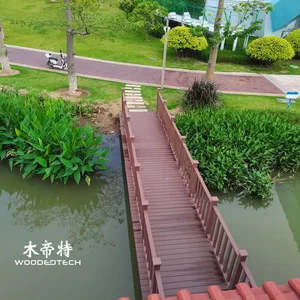 Wood composite deck railing provides realistic wood appearance and child friendly features for outdoor spaces