
Composite Decking Planks: A B2B Guide to Selection and Performance
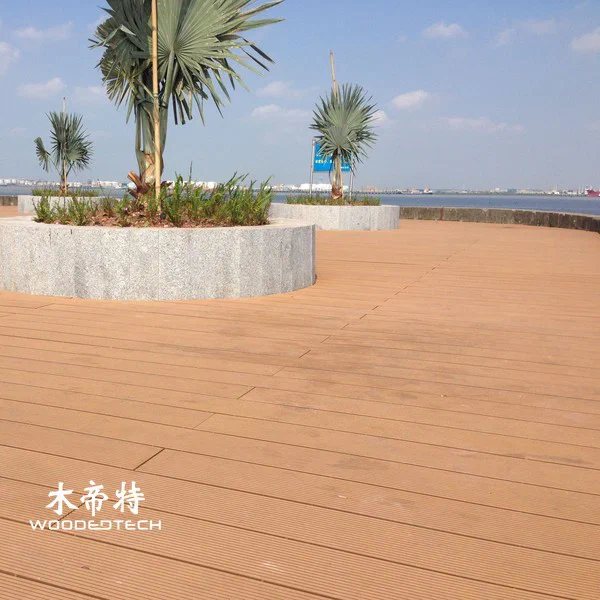
Composite decking planks are engineered exterior materials designed to deliver the appearance of wood with improved durability and reduced maintenance. For commercial projects, developers, contractors, and distributors, selecting the right decking solution requires comparing performance, lifecycle cost, installation needs, and long-term appearance.
Material comparison for outdoor decking applications
Wood plastic composite decking combines recycled wood fibers and polymers to create a stable alternative to traditional timber. Compared with natural wood, outdoor WPC decking offers better resistance to moisture, insects, cracking, and warping. It does not require regular staining or sealing, which reduces labor costs over the service life of the project.
Traditional timber provides a natural texture and premium appearance that many architects still prefer. However, it requires frequent maintenance, including waterproof treatment, repainting, and inspections for decay or pest damage. Timber performance also varies significantly depending on species, climate conditions, and installation quality.
Aluminum decking is another durable exterior option. It offers excellent corrosion resistance, fire performance, and structural strength, making it suitable for demanding environments. However, aluminum usually has a higher initial cost and provides a different visual and tactile experience compared with wood-effect surfaces.
Other exterior materials, such as ceramic tiles, stone, and concrete, can offer strength and design flexibility but may have disadvantages in weight, installation complexity, surface temperature, and repair requirements. Composite decking boards provide a balance between aesthetics, performance, and practical maintenance.
Advantages and limitations of composite decking planks
Key benefits of wood plastic composite decking include:
- Low maintenance requirements without regular painting or sealing
- Strong resistance to water, UV exposure, and everyday outdoor wear
- Consistent appearance with multiple colors and wood grain finishes
- Better dimensional stability than many natural timber products
- Compatibility with residential, hospitality, and commercial outdoor spaces
However, composite decking also has limitations. The initial purchase price is generally higher than untreated timber, and lower-quality products may experience fading, surface damage, or reduced strength. Buyers should evaluate material composition, manufacturing standards, warranty coverage, and supplier reliability before placing bulk orders.
Lifecycle cost and selection considerations
When comparing composite deck cost with wood and other materials, the initial price is only one factor. Timber may appear cheaper at installation but can require repeated maintenance expenses over decades. Composite decking often provides better value through reduced upkeep, longer service life, and predictable performance.

For B2B buyers, important selection factors include load requirements, climate exposure, slip resistance, fire ratings, installation systems, and available supply capacity. Capped composite decking options provide an additional protective layer for improved moisture resistance and surface durability, making them suitable for high-traffic commercial environments.
Choosing the right decking material depends on project goals, budget structure, and expected service conditions. A reliable WPC supplier can provide technical specifications, customization options, and consistent production quality for large-scale developments.
FAQ
Q: Is composite decking better than natural wood for outdoor projects? A: Composite decking usually requires less maintenance and offers better moisture resistance, while natural wood provides an authentic appearance and texture.
Q: What affects the lifecycle cost of composite decking? A: Lifecycle cost depends on purchase price, installation, maintenance frequency, replacement needs, and expected service life.
Q: Can composite decking be used for commercial projects? A: Yes, composite decking is commonly used for hotels, public spaces, balconies, terraces, and other commercial outdoor applications.
Related Articles
 4.8 Meter Composite Decking Boards Provide Long Board Options for Professional Outdoor Installations
 Composite Decking 4.2m Lengths for Efficient Outdoor Deck Installation
 Composite decking how to clean: Maintenance Guide for Your Outdoor Space
 Ultimate Guide: Choosing the Best composite deck for Your Home
Related Products
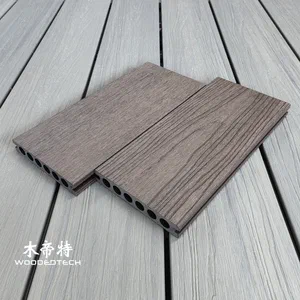 3DGD13823 Second Generation 3D Embossed Rosewood Composite Balcony Decking Delivers Ultra Realistic Wood Grain Texture and a Premium Natural Wood Experience
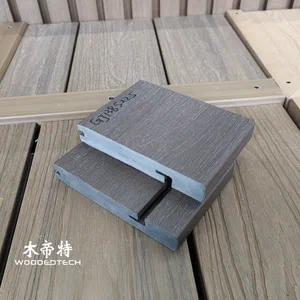 GD13822.5S Fully Capped Solid Starter Wood Polymer Composite Decking Provides a Stable Starting Structure for the First Decking Board
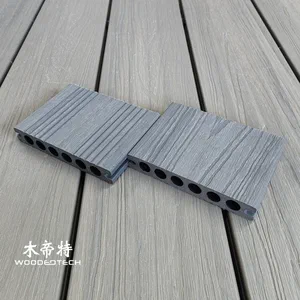 GD13823-3 Light Grey Premium Co Extrusion WPC Composite Decking Offers LG Texture and Excellent UV Resistance for Outdoor Spaces