
Composite Decking Meaning: A Technical Guide for Industrial Buyers
Worked for a couple of seconds
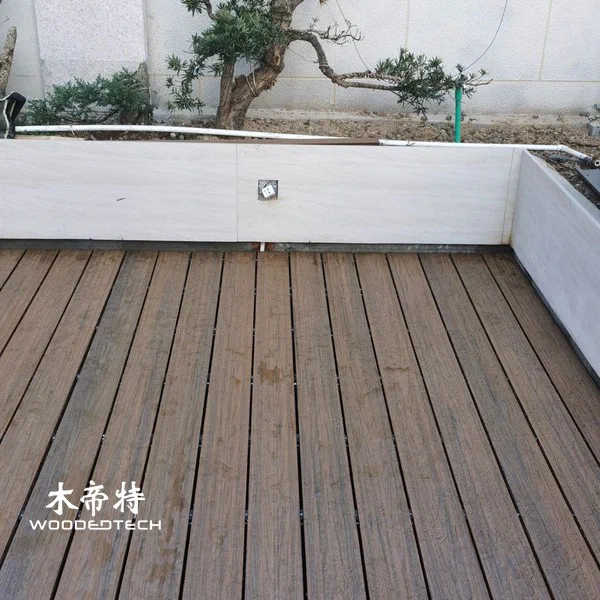
Composite decking refers to exterior decking boards made from a blend of wood fibers and polymer materials, typically engineered for outdoor exposure. For industrial buyers, its value lies less in appearance alone and more in dimensional stability, moisture resistance, maintenance requirements, service life, and total installed cost.
What Composite Decking Means in Technical Terms
Wood plastic composite decking, commonly called WPC decking, combines wood flour or fibers with thermoplastics and performance additives. The formulation, extrusion process, density, profile structure, and surface treatment determine the board’s mechanical and weathering performance. Solid composite decking generally offers higher mass and rigidity, while hollow profiles can reduce weight and material consumption.
Co-extrusion adds a protective polymer cap around the WPC core. This construction can improve resistance to moisture, staining, UV exposure, and surface wear compared with many uncapped products. However, buyers should evaluate actual test data rather than assuming every capped product has the same performance. Important specifications include water absorption, flexural strength, slip resistance, color stability, thermal expansion, fire performance where required, and applicable load ratings.

Composite Decking vs. Wood and Other Exterior Materials
Natural wood and traditional timber remain competitive where authentic grain, easy field modification, and lower initial material cost are priorities. Their disadvantages can include regular staining or sealing, moisture-related movement, splitting, decay, insect damage, and variable quality. Composite decking usually requires less routine maintenance, although it still needs cleaning and appropriate installation clearances.
Aluminum decking offers excellent resistance to rot, insects, moisture, and fire, with low routine maintenance and strong dimensional stability. Its higher material cost, metal appearance, thermal behavior, and acoustic characteristics can make it less suitable for projects seeking a wood-like finish. Concrete and stone provide high durability and low biological degradation but require heavier structural support and generally offer less flexibility for replacement or concealed fastening.
For lifecycle cost analysis, industrial buyers should separate purchase price from total ownership cost. A timber deck may have a lower initial cost but require periodic coatings, repairs, board replacement, and more labor. WPC typically shifts more expenditure toward the initial purchase while reducing recurring maintenance. The actual lifecycle advantage depends on product quality, climate, traffic level, installation method, cleaning requirements, and expected service period.
Procurement Factors for Industrial Buyers
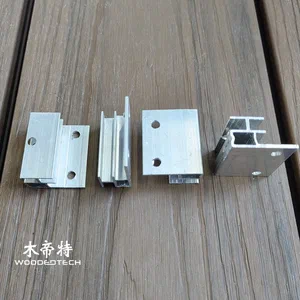
A commercial specification should assess the complete system rather than the board alone. Confirm joist spacing, fastening compatibility, expansion allowances, drainage, substructure requirements, warranty conditions, batch consistency, and replacement availability. For high-traffic projects, request independent test reports and samples before approving large-volume orders.
For outdoor applications exposed to strong sunlight, rain, freeze-thaw cycles, pools, or coastal conditions, compare products using the same environmental criteria. A reliable WPC supplier should provide technical data, installation guidance, production specifications, and quality-control information rather than relying only on appearance or marketing claims.
FAQ
Q: Is composite decking completely maintenance-free? A: No. It generally needs routine cleaning, but it normally requires less sealing, staining, and surface treatment than exterior timber.
Q: Is composite decking more expensive than wood? A: Its initial material cost is often higher than basic timber, but reduced maintenance and replacement requirements can change the lifecycle cost.
Q: What should industrial buyers check before purchasing WPC decking? A: Check mechanical performance, water absorption, UV resistance, slip resistance, thermal expansion, fire requirements, installation specifications, warranty terms, and quality consistency.
Related Articles
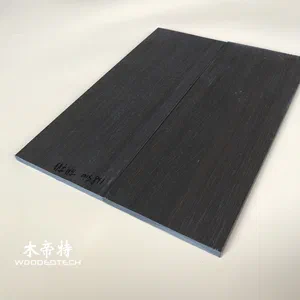
Related Products
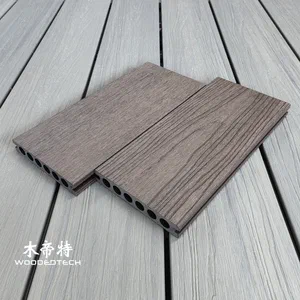 3DGD13823 Second Generation 3D Embossed Rosewood Composite Balcony Decking Delivers Ultra Realistic Wood Grain Texture and a Premium Natural Wood Experience
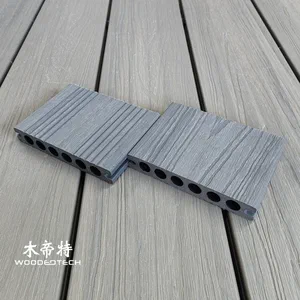 GD13823-3 Light Grey Premium Co Extrusion WPC Composite Decking Offers LG Texture and Excellent UV Resistance for Outdoor Spaces
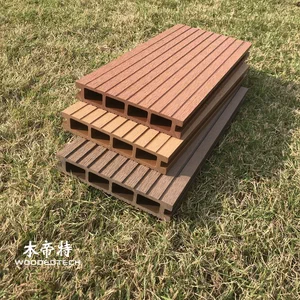 D14025-3 Square Hole Double Sided Grooved WPC Board Factory Producing Outdoor Decking Boards With Good Slip Resistance