Composite Cladding vs Fibre Cement: A B2B Performance Guide
Composite cladding and fibre cement both provide durable alternatives to traditional exterior timber, but they perform differently in moisture resistance, weight, installation, maintenance, and long-term cost. For B2B projects, the right choice depends on climate, façade design, installation method, fire requirements, and expected service life.
Material and Performance Comparison

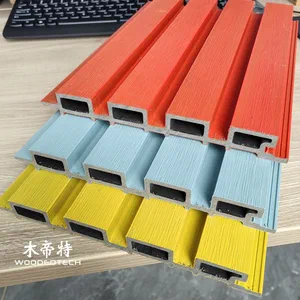
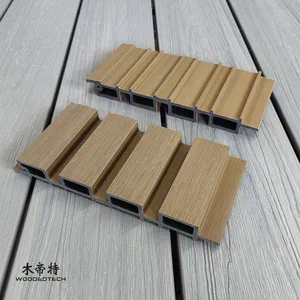
Composite cladding, typically made from wood plastic composite (WPC), combines wood fibres with polymers to create a moisture-resistant exterior material. Fibre cement uses cement, cellulose fibres, and mineral components, giving it strong dimensional stability and good resistance to weather, rot, and insects.
- Composite cladding: lightweight, moisture resistant, wood-like appearance, low routine maintenance
- Fibre cement: rigid, non-combustible, impact resistant, stable across temperature changes
- Natural wood: authentic appearance and easy machining, but requires regular protection against moisture, UV exposure, insects, and decay
- Aluminum: very low maintenance and excellent weather resistance, but offers a distinctly metal appearance and can have higher material and fabrication costs
Composite cladding is particularly suitable where the project requires a wood aesthetic without the maintenance burden associated with untreated timber. Fibre cement is often considered where fire performance, rigidity, and mineral-based construction are major specification requirements.
Maintenance and Installation
Maintenance requirements can significantly affect the total cost of an exterior façade. Quality composite cladding generally needs periodic cleaning rather than routine painting, staining, or sealing. Properly designed profiles and concealed fixing systems can also simplify installation and reduce finishing work.
Fibre cement usually requires more attention to edge protection, cutting, joint detailing, and coating maintenance. Its greater weight can increase handling requirements and may affect the supporting substructure. Natural timber typically demands the highest ongoing maintenance, particularly in exposed or humid environments. Aluminum requires little maintenance but may require careful treatment of scratches, joints, and surface finishes.
For commercial projects, buyers should evaluate the complete installed system rather than comparing board prices alone. Substructure, fasteners, labor, coatings, replacement rates, cleaning, and expected maintenance cycles can materially change lifecycle costs.
Lifecycle Cost Considerations
Composite cladding may have a higher upfront price than basic timber, but its resistance to moisture, insects, and routine surface treatments can reduce maintenance expenditure over time. Fibre cement can offer a long service life and strong weather performance, although transportation, handling, installation labor, and periodic repainting should be included in the cost model.
For B2B procurement, suppliers should provide technical data covering water absorption, UV resistance, dimensional stability, fire classification, mechanical performance, warranty terms, installation requirements, and available finishes. These factors provide a more meaningful basis for comparison than purchase price alone.
FAQ
Q: Is composite cladding easier to maintain than fibre cement? A: In many applications, yes. Composite cladding generally requires cleaning rather than regular repainting or sealing, while fibre cement may require periodic coating maintenance.
Q: Is fibre cement stronger than composite cladding? A: Fibre cement is rigid and has strong impact and fire-performance characteristics, while composite cladding offers advantages in weight, moisture resistance, and easier handling. Performance should be assessed against the specific product specification.
Q: Which has the lower lifecycle cost? A: Neither material is universally cheaper. Compare the full installed cost, expected maintenance, coating requirements, replacement frequency, labor, and service-life expectations for the intended project.
Related Articles
 Composite Cladding Dormer: Industrial Solutions for Facade Systems
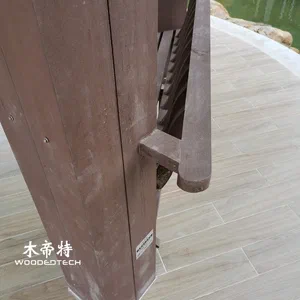 Plastic cladding that looks like wood provides modern exterior decoration with natural style
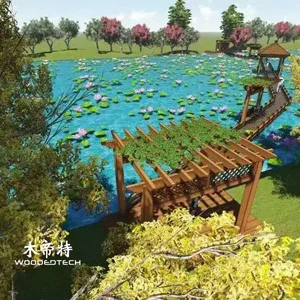 exterior composite wood cladding offers a natural wood appearance with durable outdoor performance
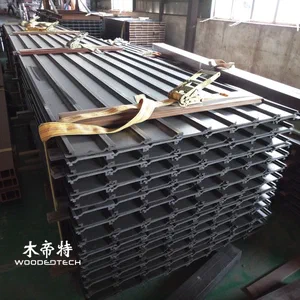 Durable WPC Material Cladding for High-Performance Exterior Projects