Composite Cladding Oak Solutions for Commercial Building Projects 2026
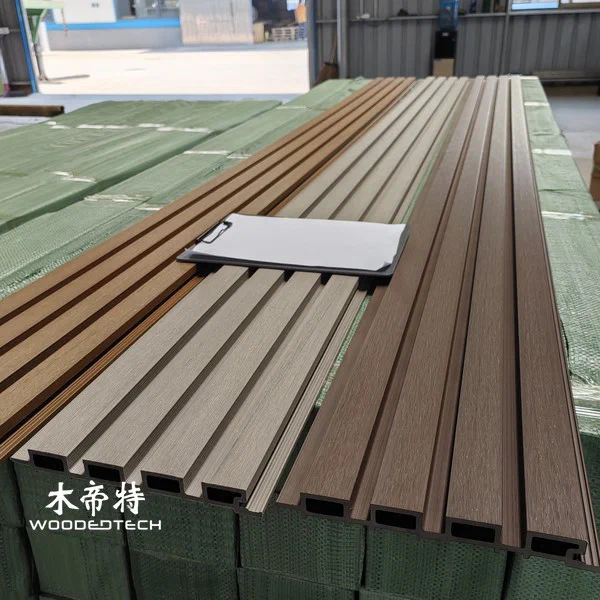
Composite cladding oak solutions provide commercial buildings with the natural appearance of oak timber while improving durability, weather resistance, and maintenance efficiency. Compared with traditional wood, aluminum, and other exterior materials, outdoor WPC cladding offers a balanced solution for architects, developers, and contractors seeking long-term facade performance.
Composite Cladding Oak vs Natural Wood and Timber
Oak timber has long been valued for its warm appearance, strength, and architectural character. However, natural wood exterior applications require regular maintenance to prevent moisture damage, cracking, fading, fungal growth, and insect attack. Protective coatings, staining, and sealing are typically required every few years, increasing operational costs for commercial projects.
Outdoor WPC cladding recreates the texture and color variation of oak while combining wood fibers with polymer materials. This structure reduces water absorption and improves resistance to rot, warping, and environmental exposure. For large commercial facades, wpc cladding offers more consistent quality because boards have fewer natural defects compared with solid timber.
Compared with traditional timber, WPC has a higher initial material cost but often provides lower lifecycle expenses due to reduced maintenance requirements. Over a 10–20 year period, savings from fewer repairs, coatings, and replacements can significantly improve project value.
WPC Cladding Compared with Aluminum and Other Exterior Materials
Aluminum cladding is widely used in commercial buildings because it is lightweight, fire-resistant, and structurally reliable. However, aluminum does not naturally provide the warmth of oak wood grain and may require additional surface treatments to achieve a timber-like appearance.
WPC cladding combines visual appeal with practical outdoor performance:
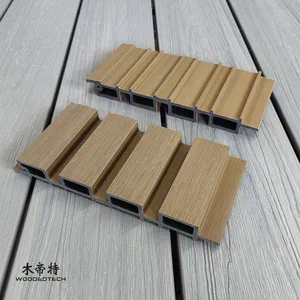
- Natural oak wood appearance with embossed grain textures
- Resistance to moisture, UV exposure, and seasonal changes
- Lower maintenance compared with solid wood
- Better insulation properties than metal cladding
- Easy installation with modular profiles
Other exterior materials such as stone, brick, and fiber cement provide excellent durability but may involve higher installation complexity, heavier structural requirements, and limited design flexibility. WPC offers architects more freedom for modern facade designs, feature walls, balconies, and decorative exterior applications.
Maintenance Requirements and Lifecycle Cost Considerations
Commercial building owners often prioritize materials that reduce long-term management costs. Natural oak requires cleaning, sealing, and periodic refinishing to maintain appearance. Aluminum generally requires less maintenance but may experience surface scratches, coating wear, or color limitations.
Oak composite cladding requires basic cleaning with water and mild detergent to remove dirt and surface contaminants. It does not need regular painting or staining, making it suitable for hotels, offices, retail buildings, and public spaces where appearance consistency is important.
The total lifecycle cost of composite cladding depends on product quality, installation method, climate conditions, and maintenance practices. High-quality wpc composite cladding can deliver a longer service life while reducing labor expenses associated with traditional timber maintenance.

Why Choose Oak Composite Cladding for 2026 Commercial Projects
Modern commercial architecture increasingly combines natural aesthetics with sustainable building requirements. Composite cladding oak solutions provide a wood-inspired facade option that supports durable construction, efficient maintenance, and contemporary design goals.
For developers comparing wood, aluminum, and other exterior materials, WPC represents a practical middle ground: the appearance of timber with improved weather performance and predictable lifecycle costs.
FAQ
Q: Is oak composite cladding better than natural oak wood for commercial buildings?
A: Oak composite cladding offers similar visual appeal with better moisture resistance and lower maintenance requirements, making it suitable for large commercial projects.
Q: How often does WPC cladding need maintenance?
A: WPC cladding usually requires only routine cleaning and does not need regular staining, painting, or sealing like natural wood.
Q: Can WPC cladding be used for exterior walls?
A: Yes, wpc cladding exterior systems are commonly used for commercial facades, feature walls, and outdoor architectural applications.