Composite Cladding for Summer House Projects: A Guide for B2B Buyers
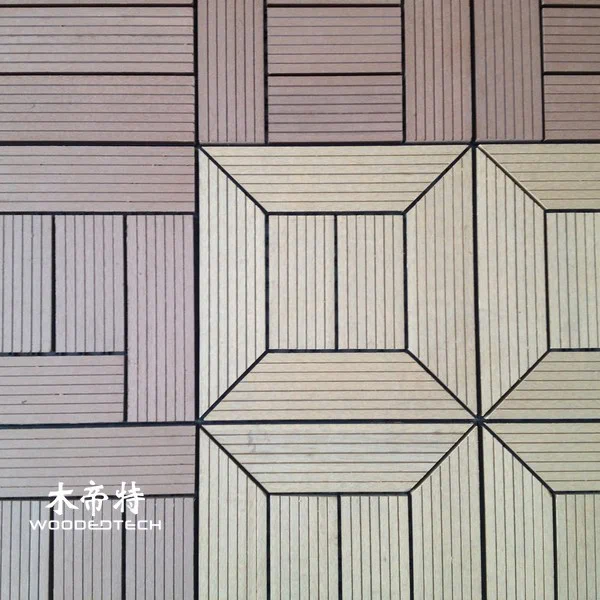
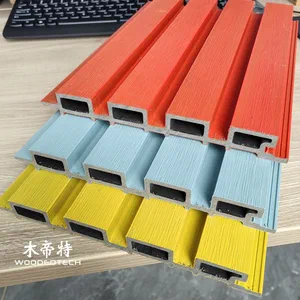
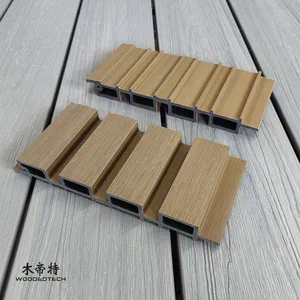
Composite cladding is a practical exterior solution for summer house projects, offering B2B buyers a durable, low-maintenance alternative to traditional timber. Made from wood plastic composite materials, it helps create attractive outdoor structures that can withstand changing weather conditions while reducing long-term maintenance costs.
Why composite cladding suits summer house projects

For developers, landscape contractors, and building material distributors, composite cladding provides a balance of appearance, performance, and installation efficiency. It can be used for summer houses, garden cabins, outdoor offices, and leisure buildings where a natural wood look is required without the common problems of wood such as rotting, cracking, and frequent repainting.
Professional project recommendations include selecting UV-resistant and weather-resistant profiles for exposed locations. Co-extrusion surfaces are also suitable for premium summer house applications because they provide enhanced protection against moisture, stains, and fading.
Key application suggestions for outdoor projects
Composite cladding can be integrated into different environments, including:
- Residential gardens: Ideal for summer houses, private cabins, garden rooms, and outdoor entertainment spaces. Choose colors and textures that match existing landscaping and architectural styles.
- Commercial landscapes: Suitable for resorts, business courtyards, outdoor meeting areas, and recreational facilities where consistent appearance and easy maintenance are important.
- Hotels and hospitality projects: Recommended for decorative walls, outdoor lounges, and guest relaxation areas that require a high-end wood appearance with reliable durability.
- Parks and public facilities: Works well for visitor buildings, information centers, rest areas, and outdoor structures exposed to frequent public use.
- Balconies and terraces: Can be applied as exterior wall finishes or privacy solutions, especially when combined with composite decking and railing systems.
- Swimming pool areas: Weather-resistant composite cladding is suitable around pool houses and outdoor structures where humidity resistance and easy cleaning are required.
B2B selection considerations for summer house suppliers
When sourcing composite cladding for large projects, buyers should evaluate product structure, surface treatment, color stability, and manufacturing capability. A reliable WPC supplier should provide consistent dimensions, installation guidance, and customized options for different architectural requirements.
For contractors handling multiple summer house developments, modular WPC cladding systems can improve construction efficiency. Matching accessories, corner profiles, and fixing solutions help achieve a cleaner finish while reducing installation time.
From a design perspective, wood grain textures, modern composite colors, and vertical or horizontal installation methods allow architects to create different exterior styles. Composite cladding is especially valuable for projects seeking sustainable composite building products with lower maintenance demands compared with natural wood.
FAQ
Q: Why is composite cladding suitable for summer houses? A: Composite cladding offers wood-like appearance with better resistance to moisture, UV exposure, and daily weather changes, making it suitable for outdoor buildings.
Q: Can composite cladding be used for commercial summer house developments? A: Yes, it is commonly used for hotels, resorts, parks, and landscape projects because it provides consistent quality and reduces maintenance requirements.
Q: What should B2B buyers check before ordering composite cladding? A: Buyers should confirm material quality, surface treatment, supplier production capacity, installation support, and customization options.
Related Articles
 Composite Cladding Oak Solutions for Commercial Building Projects 2026
 Composite Cladding vs Fibre Cement: A B2B Performance Guide
 Composite Cladding Dormer: Industrial Solutions for Facade Systems
 wpc cladding brisbane solutions meet outdoor architectural needs with durable wood plastic composite materials