
Choosing the Right Composite Deck Boards for Fence Applications: A 2023 Guide
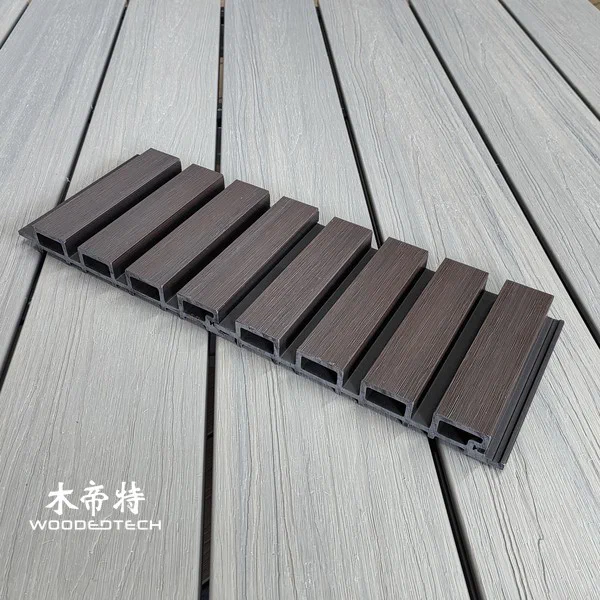
Designing high-performance outdoor wood plastic composite (WPC) formulas for applications such as decking, wall cladding, fencing, pergolas, and landscape products involves a strategic blend of materials and innovation. The key lies in balancing wood fiber content, plastic ratio, additives, cost control, and product lifespan to ensure durability and aesthetic appeal.
Material Composition
The core of any WPC formulation is its material composition. The balance between wood fibers and plastic is critical. Typically, a wood fiber content of 30-70% is considered optimal, as it provides the desired aesthetics and physical properties while minimizing costs. Higher wood content can enhance the natural wood-like appearance but may compromise moisture resistance and durability. Conversely, increasing the plastic ratio improves weather resistance and longevity but may detract from the natural look.
Additives and Performance Enhancements
Incorporating additives plays a significant role in enhancing the performance of WPC products. Common additives include:
- UV stabilizers to prevent fading from sunlight exposure
- Anti-fungal agents to combat mold and mildew
- Colorants for aesthetic variations
- Fire retardants for safety compliance
These additives can significantly impact both the product’s lifespan and its overall market appeal. However, they also add to production costs, which necessitates careful selection to maintain financial viability.
Cost Control Strategies
Cost management is crucial in the formulation of WPC products. Using recycled materials can reduce costs while appealing to environmentally conscious consumers. Sourcing wood fibers from sustainable forests and employing circular economy principles may further enhance marketability. Additionally, optimizing the manufacturing process to minimize waste and energy consumption can contribute to cost savings.
Product Lifespan Considerations

The longevity of WPC products is a primary concern for consumers. To improve product lifespan, the formulation must prioritize resistance to environmental stressors. This can be achieved by:
- Ensuring a balanced formulation that combines adequate plastic content with high-quality wood fibers
- Employing advanced co-extrusion techniques that add a protective layer to the composite
- Conducting rigorous testing for wear, weatherability, and impact resistance
Products that demonstrate superior durability often command higher prices, making them attractive to both manufacturers and consumers.
Applications in Outdoor Structures
WPC formulations are versatile and can be tailored for various outdoor applications, including:
- Decking: Requires a balance of aesthetics and slip resistance, often enhanced with textured surfaces.
- Wall Cladding: This application benefits from UV resistance and thermal insulation properties.
- Fencing: Needs robust structural integrity and weather resistance to withstand outdoor elements.
- Pergolas and Landscape Products: These require a focus on aesthetic appeal alongside strength and weather resistance.
Each application may necessitate slight adjustments in the formulation to meet specific performance criteria while retaining cost-effectiveness.
By carefully crafting WPC formulations that consider wood fiber content, plastic ratios, and the integration of performance-enhancing additives, manufacturers can produce high-quality outdoor products that meet consumer demands for durability and aesthetic appeal.
Related Articles
 Outdoor WPC Deck for Durable Residential Gardens Patios Balconies and Landscape Projects
 Understanding Composite Deck Boards Thickness: Key Considerations for 2023 Buyers
 Understanding Composite Decking Stairs Cost: A Comprehensive Guide for 2023
 HDPE Composite Lumber Offers Strong and Durable Material Solutions for Outdoor Construction Projects
Related Products
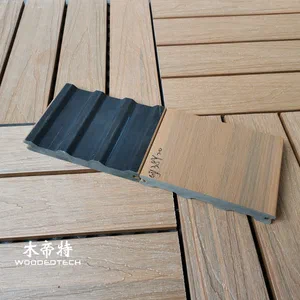 GD13820 M Shape Co Extruded Composite Deck Planks Feature a Special Profile Design for Distinctive Outdoor Decking Applications
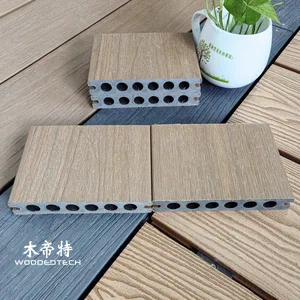 GD13823 Double Sided Flat Surface Co Extruded WPC Decking Features a Popular Width and Thickness with Round Hollow Structure
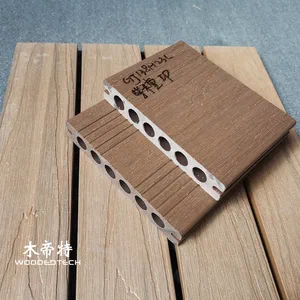 GD13823-3 Composite Boards for Decking Are Available in Multiple Stock Colors with 3 Meter Lengths and Single Piece Delivery