
Choosing Composite Decking Gray: A Comprehensive Guide for Industrial Applications in 2023
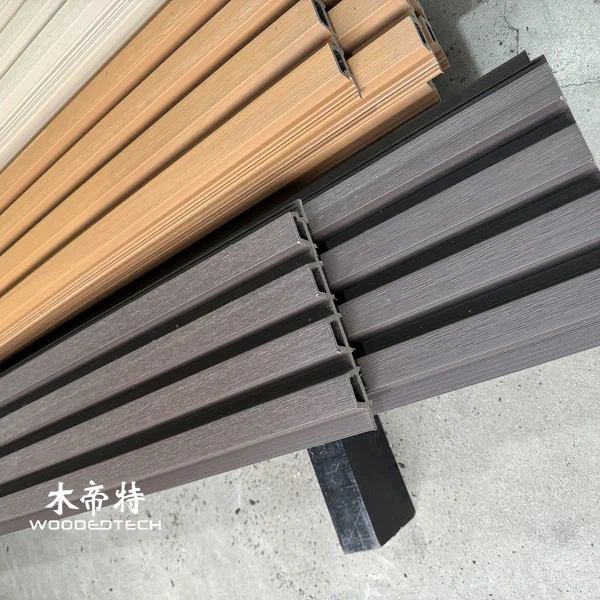
Composite decking has become a popular choice in outdoor applications due to its durability, low maintenance, and aesthetic appeal. Understanding the components that go into wood-plastic composites (WPC) is crucial for ensuring the longevity and performance of these products. Key materials such as wood powder, HDPE or PVC polymers, additives, pigments, and modifiers each play a significant role in determining the final quality of composite decking.
Material Composition

Wood Powder
Wood powder serves as the primary filler in WPC. It provides the aesthetic qualities of natural wood while contributing to the overall strength of the composite. The size and quality of the wood powder can affect the texture and appearance of the final product. Proper grading and drying of wood powder are essential to prevent moisture-related issues, which can compromise durability.
HDPE/PVC Polymers
The choice between HDPE (high-density polyethylene) and PVC (polyvinyl chloride) is fundamental in WPC production. HDPE is known for its superior weather resistance and durability, making it ideal for outdoor applications. PVC, while also durable, can be more prone to expansion and contraction with temperature fluctuations. The polymer’s tensile strength and flexibility directly influence the composite’s structural integrity.
Additives
Additives are crucial for enhancing the performance of WPC. They may include UV stabilizers, anti-fungal agents, and colorants. UV stabilizers protect against sun damage, preventing fading and degradation over time. Anti-fungal additives help combat mold and mildew growth, ensuring a clean and safe surface. The right combination of additives can significantly extend the lifespan of composite decking.
Pigments
Pigments are used to achieve the desired color and finish of the decking. The quality of pigments impacts not only the aesthetic but also the UV resistance of the product. High-quality pigments provide better color retention and minimal fading, ensuring that the decking maintains its appearance over time.
Modifiers
Modifiers are often used to enhance specific properties of the WPC, such as impact resistance and flexibility. These can include coupling agents that improve the bond between wood powder and polymers, leading to a more cohesive structure. The right modifiers can improve performance in high-stress environments, making the decking more resilient to wear and tear.
Quality Control and Inspection Methods
In a professional WPC factory, stringent quality control measures are essential to ensure that all materials meet industry standards. Regular inspections are conducted at various stages of production, including:
- Raw Material Testing: Each batch of wood powder and polymers is tested for consistency in size, moisture content, and chemical composition. This ensures uniformity in the final product.
- Additive Evaluation: The effectiveness of additives is assessed through accelerated aging tests, simulating long-term exposure to weather conditions.
- Performance Testing: Composite samples undergo rigorous testing for tensile strength, flexural strength, and impact resistance to ensure they meet specified standards.
- Visual Inspection: Final products are visually inspected for any defects, such as color inconsistencies or surface imperfections.
Adhering to international standards, such as ASTM and ISO certifications, is crucial for compliance and market acceptance. Meeting these standards not only guarantees product quality but also builds trust with clients.
Conclusion
The interplay of wood powder, HDPE or PVC polymers, additives, pigments, and modifiers determines the performance and durability of outdoor composite decking. By employing rigorous quality control and inspection methods, manufacturers can ensure that their products not only meet but exceed industry standards, providing long-lasting solutions for various outdoor applications.
Related Articles
Related Products
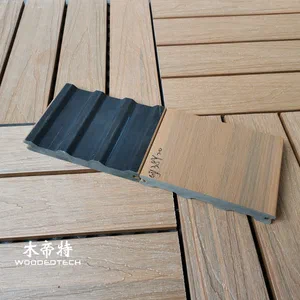 GD13820 M Shape Co Extruded Composite Deck Planks Feature a Special Profile Design for Distinctive Outdoor Decking Applications
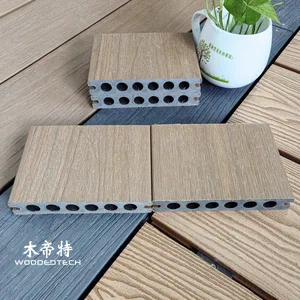 GD13823 Double Sided Flat Surface Co Extruded WPC Decking Features a Popular Width and Thickness with Round Hollow Structure
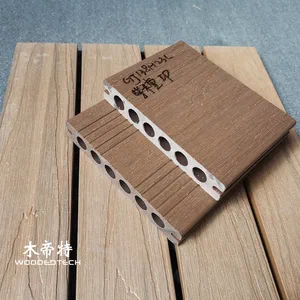 GD13823-3 Composite Boards for Decking Are Available in Multiple Stock Colors with 3 Meter Lengths and Single Piece Delivery