
Cheapest composite decking: 2026 Cost Analysis for B2B Buyers
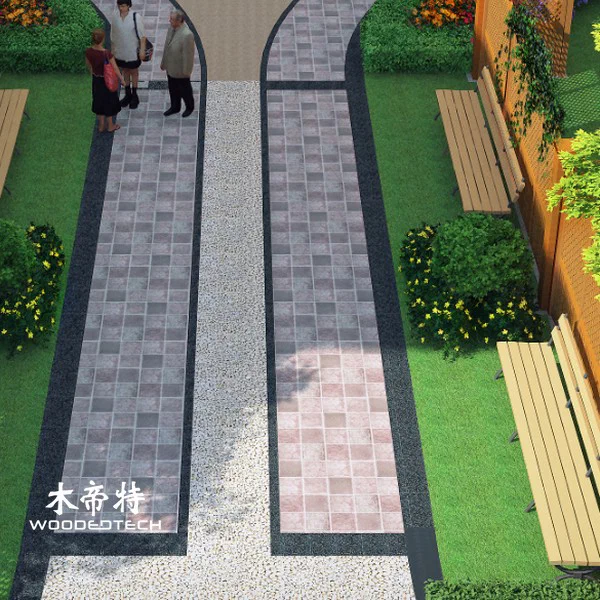
Composite decking has become a cost-focused alternative to traditional timber for commercial and residential outdoor projects. For B2B buyers sourcing the cheapest composite decking in 2026, price analysis requires looking beyond the initial board cost and considering material quality, production technology, lifespan, and supply chain advantages.
2026 composite decking cost trends for global buyers
The global composite decking market is moving toward more affordable WPC solutions while maintaining durability and appearance. Manufacturers are improving extrusion efficiency, recycled material usage, and surface technologies to reduce production costs. This creates new opportunities for importers, distributors, contractors, and private-label brands seeking competitive pricing.
The lowest-cost composite decking options typically include hollow boards, standard finishes, and basic color ranges. Higher-priced products usually add features such as capped surfaces, co-extrusion protection, deeper wood textures, and enhanced UV resistance.
Key cost factors for B2B buyers include:
- Raw material composition and recycled content
- Board structure, including hollow or solid profiles
- Surface treatment and embossing technology
- Order quantity and factory production capacity
- Shipping distance and packaging efficiency
How to evaluate the real cost of composite decking

A low purchase price does not always represent the lowest project cost. Buyers should compare product durability, installation requirements, warranty coverage, and maintenance needs. Cheap composite decking with poor moisture resistance or weak structural performance may create higher replacement costs over time.
For international sourcing, working directly with a wood plastic composite manufacturer can reduce distributor margins and provide more flexibility for customization. OEM production, private labeling, and bulk orders are becoming common strategies for companies entering regional outdoor building material markets.
Future opportunities in outdoor WPC products
Beyond decking, global demand is expanding for complete outdoor solutions including WPC wall cladding, fencing, pergolas, railing systems, and landscaping products. Builders and homeowners are increasingly choosing low-maintenance materials that provide a wood appearance without regular painting, staining, or frequent repairs.
Emerging markets are creating opportunities for suppliers that can provide coordinated product lines. A factory offering composite decking together with fencing, pergolas, and exterior wall systems can support larger construction projects and improve buyer efficiency.
Purchasing strategies for B2B buyers in 2026
Successful buyers will focus on balancing affordability with consistent quality. Suppliers with stable production processes, quality control systems, and export experience can help reduce risks in international purchasing.
Important questions to ask suppliers include:
- What is the material ratio of wood fiber and plastic?
- Is the decking capped or uncapped?
- What testing is available for weather resistance and strength?
- Can the factory support customized colors, sizes, or private labels?
The future of composite decking will continue moving toward cost-efficient manufacturing, sustainable materials, and integrated outdoor product solutions. Buyers who understand pricing structures and product differences can identify stronger opportunities in the growing global market.
FAQ
Q: What is the cheapest type of composite decking for bulk buyers?
A: Hollow WPC decking with standard finishes is usually among the lowest-cost options. Large-volume orders and factory-direct sourcing can further reduce unit prices.
Q: Is cheap composite decking suitable for commercial projects?
A: It depends on the application, climate, and performance requirements. Commercial buyers should evaluate strength, durability, warranty, and installation conditions before selecting a low-cost product.
Q: How can buyers reduce composite decking costs in 2026?
A: Buyers can reduce costs through direct factory sourcing, larger order quantities, optimized shipping, and selecting suitable product specifications instead of overbuying premium features.
Related Articles
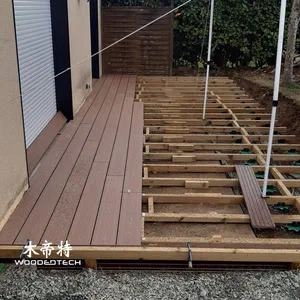 Composite Decking vs Wood Decking Cost: A B2B Pricing Analysis
 Plastic Lumber vs Wood Cost: Industrial Material Comparison 2026
 Composite Deck Cost Depends on Decking Materials Installation Methods and Project Size
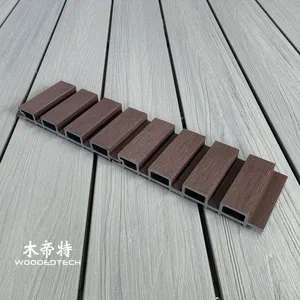 Composite Decking Cost Varies Based on Material Structure Surface Design and Installation Requirements
Related Products
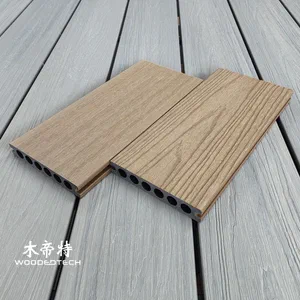 3DGD13823 Second Generation 3D Embossed Teak Decking Composite Material Features Ultra Realistic Wood Grain Texture for Elegant Outdoor Flooring
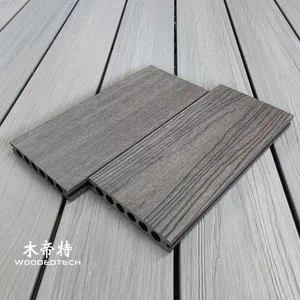 3DGD13823 Second Generation 3D Embossed Walnut WPC Decking Combines Ultra Realistic Wood Grain Texture with the Natural Beauty of Walnut for Outdoor Spaces
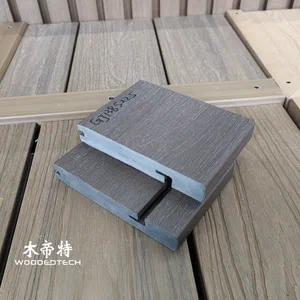 GD13822.5S Fully Capped Solid Starter Wood Polymer Composite Decking Provides a Stable Starting Structure for the First Decking Board