
Best Practices for Installing a Composite Deck on Ground: Insights for 2023
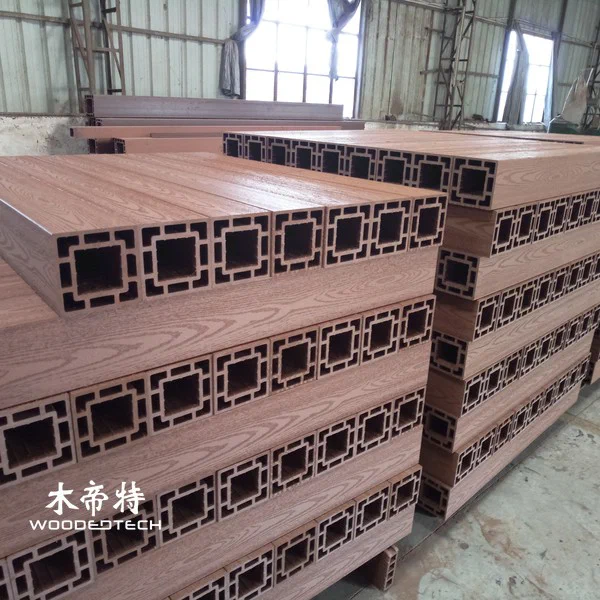
Installing a composite deck on the ground involves several key steps, from preparing the subframe to ensuring correct fixing methods. This guide will outline best practices for a successful installation, addressing each aspect to create a durable and visually appealing deck.
Subframe Preparation
Begin by selecting an appropriate location for your composite deck. The ground should be level and well-drained to prevent water accumulation. Clear the area of debris, vegetation, and any obstructions.
- Lay the Foundation: Use gravel or crushed stone to create a stable base. This layer will enhance drainage and provide a solid foundation for the subframe.
- Install the Joists: Position the joists, ensuring they are spaced according to the manufacturer’s guidelines, typically 16 inches apart for composite decking. Use pressure-treated wood for added durability.
- Check for Level: Use a level to ensure that all joists are even. Adjust as necessary by adding shims or adjusting the gravel base.
Fixing Methods
Once the subframe is prepared, it’s time to secure the composite decking boards.
- Fasteners: Utilize stainless steel screws specifically designed for composite materials to prevent rusting and corrosion.
- Hidden Fasteners: For a clean look, consider using hidden fasteners. These allow you to attach the boards without visible screws, creating a seamless appearance.
- End-to-End Connections: When installing boards, stagger the joints to enhance structural integrity. Avoid placing joints in a straight line to reduce movement and potential damage.
Expansion Gaps
Composite materials are sensitive to temperature changes and can expand or contract. To accommodate this, it’s essential to leave proper expansion gaps.
- Board Gaps: Leave a gap of about 1/4 inch between the boards. This allows for expansion during warmer weather.
- Perimeter Gaps: Maintain a larger gap of at least 1/2 inch between the decking and any permanent structures, such as walls or posts.

Cutting the Decking
Precision is crucial when cutting composite decking boards to ensure they fit properly.
- Measure Twice, Cut Once: Take accurate measurements before making any cuts. Use a square to mark straight lines.
- Choose the Right Tools: A circular saw with a fine-tooth blade is ideal for clean cuts. Ensure to cut from the underside to prevent chipping on the visible surface.
- Smooth Edges: After cutting, use sandpaper or a file to smooth any rough edges, which helps to prevent injury and allows for better fitting.
Maintenance Tips
Composite decking requires less maintenance than traditional wood, but some care is still necessary to ensure longevity.
- Regular Cleaning: Sweep the deck regularly to remove dirt and debris. For deeper cleaning, use a mild soap solution and a soft-bristle brush.
- Avoid Harsh Chemicals: Steer clear of bleach or ammonia-based cleaners, as these can damage the composite material.
- Check for Damage: Periodically inspect the deck for any signs of wear or damage, such as loose boards or fading. Address these issues promptly to maintain the deck’s integrity.
By following these best practices, you can ensure a successful installation of your composite deck, enhancing both the functionality and aesthetic appeal of your outdoor space.
Related Articles
Related Products
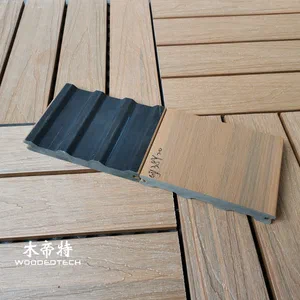 GD13820 M Shape Co Extruded Composite Deck Planks Feature a Special Profile Design for Distinctive Outdoor Decking Applications
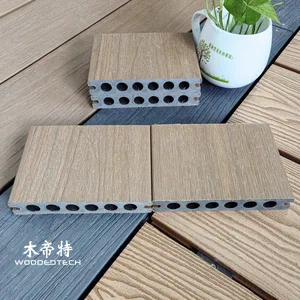 GD13823 Double Sided Flat Surface Co Extruded WPC Decking Features a Popular Width and Thickness with Round Hollow Structure
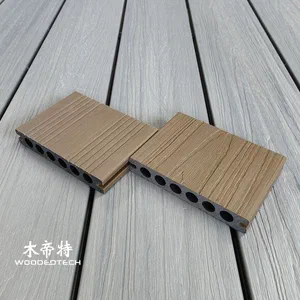 GD13823-3 Teak TK Co Extruded Decking Is a Popular Choice from Composite Decking Suppliers for Outdoor Flooring Projects