
Are Composite Decks Worth It? An In-Depth Analysis for 2023 Industry Leaders
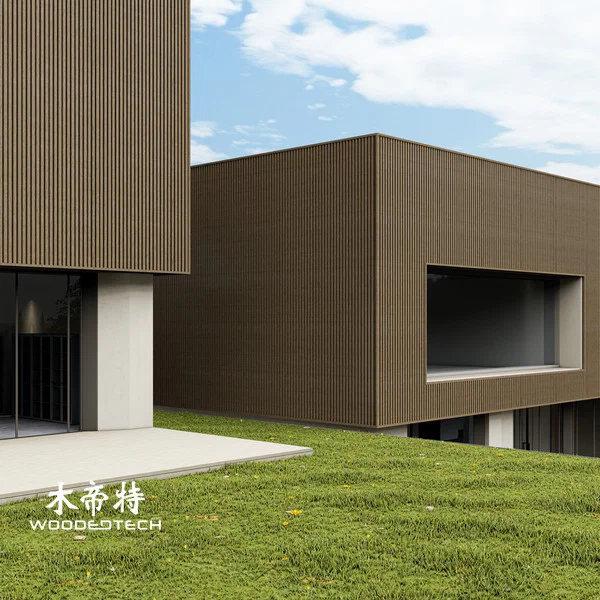
When considering outdoor materials for decking and cladding, composite wood (WPC) emerges as a strong contender against traditional wood, aluminum, and other exterior materials. This comparison will explore the advantages and disadvantages of WPC and its alternatives, focusing on maintenance requirements and lifecycle costs.
Advantages of WPC

WPC offers several key benefits that make it attractive for outdoor applications:
- Durability: Unlike natural wood, WPC is resistant to rot, insects, and decay. This longevity can significantly reduce replacement costs over time.
- Low Maintenance: WPC requires minimal upkeep compared to natural wood, which often needs annual sealing, staining, or painting to maintain its appearance.
- Aesthetic Variety: WPC is available in various colors and textures, mimicking the look of real wood while providing greater uniformity.
- Eco-Friendly: Many WPC products are made from recycled materials, appealing to environmentally conscious consumers.
Disadvantages of WPC
Despite its many advantages, WPC has its drawbacks:
- Initial Cost: WPC tends to have a higher upfront cost than traditional wood, which may deter some buyers.
- Heat Retention: WPC can absorb heat, making it uncomfortable to walk on during hot weather compared to natural wood.
- Limited Repair Options: If damaged, WPC cannot be sanded or refinished like wood, potentially leading to more extensive repairs.
Traditional Wood
Natural wood has been the go-to choice for outdoor applications for generations. Its advantages include:
- Aesthetic Appeal: Many prefer the authentic look and feel of natural wood, which can enhance the beauty of outdoor spaces.
- Workability: Wood is easier to cut, shape, and repair, providing flexibility during construction and maintenance.
However, traditional wood has significant disadvantages:
- Maintenance Intensive: Wood requires regular treatments to protect against weathering and pests, leading to higher long-term costs.
- Susceptibility to Damage: Wood can warp, crack, or splinter over time, especially in harsh climates.
Aluminum
Aluminum presents a modern alternative that excels in certain areas:
- Corrosion Resistant: Aluminum is impervious to moisture and pests, making it a long-lasting choice for outdoor use.
- Lightweight: Its light weight simplifies installation and reduces structural strain.
On the downside, aluminum can be less visually appealing than wood or WPC and may require specialized coatings to prevent scratching and denting.
Other Exterior Materials
Other materials include concrete, stone, and vinyl, each with unique attributes:
- Concrete: Known for its durability and low maintenance, concrete can be molded into various shapes and textures. However, it can crack under pressure and may require sealing.
- Stone: Offers unparalleled aesthetic appeal and longevity but comes with high installation and material costs.
- Vinyl: Generally low-maintenance and resistant to fading, but lacks the natural beauty of wood and may not be as durable as WPC.
Lifecycle Costs
When considering lifecycle costs, WPC generally presents a favorable option due to its durability and low maintenance needs. While the initial investment may be higher, the long-term savings on upkeep and replacement can make it more economical over time. Traditional wood, though initially cheaper, often incurs significant maintenance costs, which can accumulate quickly.
Aluminum and other materials may also appear cost-effective but often require a balance of aesthetic value and performance.
When deciding on the best outdoor material for your needs, consider factors such as budget, aesthetics, and maintenance preferences. WPC stands out as a versatile option that combines durability with a natural look, making it a worthwhile investment for many applications.
Related Articles
 Composite Decking vs Wood Decking: Evaluating Long-Term Value for Industrial Applications
 Composite Decking Pros And Cons Help Buyers Understand Performance And Application Benefits
 Exploring Composite Decking Without Wood Grain: Advantages for Commercial Projects in 2023
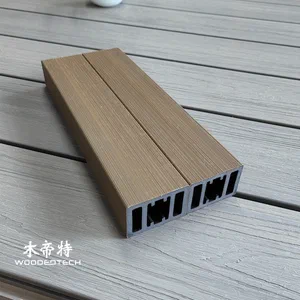 A Comprehensive Guide to Installing Grooved Composite Decking: Best Practices for 2023
Related Products
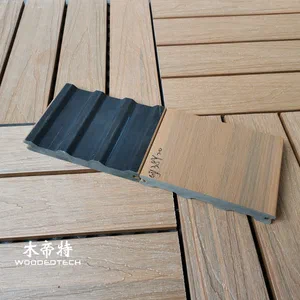 GD13820 M Shape Co Extruded Composite Deck Planks Feature a Special Profile Design for Distinctive Outdoor Decking Applications
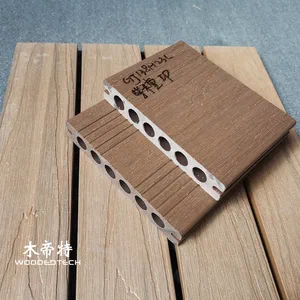 GD13823-3 Composite Boards for Decking Are Available in Multiple Stock Colors with 3 Meter Lengths and Single Piece Delivery
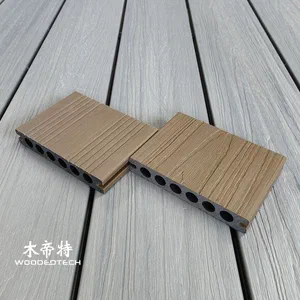 GD13823-3 Teak TK Co Extruded Decking Is a Popular Choice from Composite Decking Suppliers for Outdoor Flooring Projects